Complete Roofing Guide for Homeowners | Katy & Houston TX
Your roof is one of the most critical systems protecting your home. In Texas—where extreme heat, hail, wind, and storms are common—understanding how roofing works isn’t optional. It’s essential.
This guide is your complete roofing resource, designed to help homeowners make confident, informed decisions about roof inspections, repairs, replacements, materials, warranties, and energy efficiency—all in one place. Wondering what a new roof costs? See our 2026 Texas roof replacement guide.
Related reading in this guide:
Not sure what your roof needs? Start with a free inspection.
Reading is a good start. Knowing what’s actually on your roof is better. All Out Roofing does free, photo-documented inspections across Katy, Fulshear, Cypress, and Houston, and we’ll tell you straight whether you need a repair, a replacement, or nothing at all. Call or text 281-769-4282.
How a Roofing System Works — Your Roofing Guide Starts Here
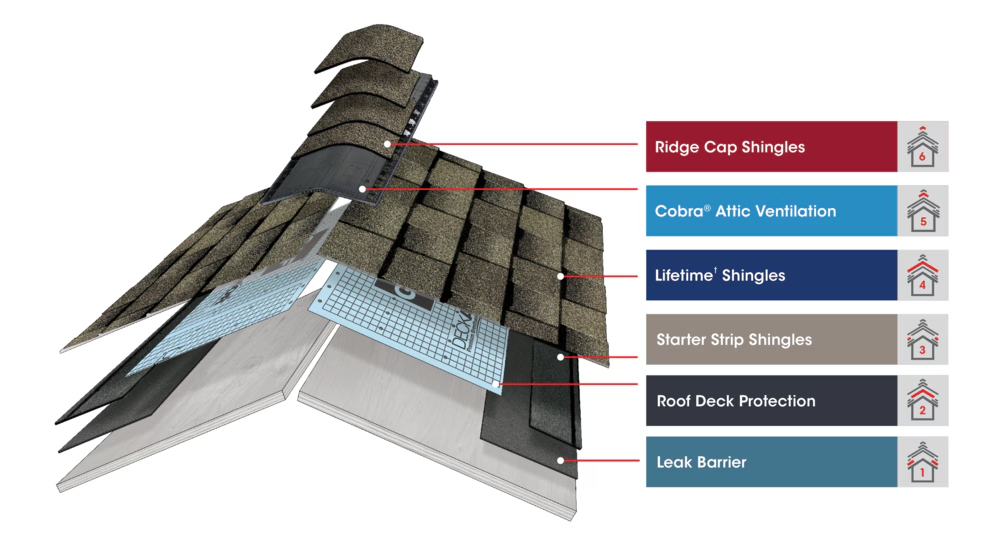
A roof is more than shingles. It’s a complete system made up of multiple layers working together to protect your home.
A proper roofing system includes:
Roof decking (the foundation)
Underlayment for moisture protection
Ice & water shield in critical areas
Starter shingles and field shingles
Flashing around penetrations and valleys
Ridge caps and ventilation components
When even one component fails, the entire system can be compromised—leading to leaks, mold, or structural damage.
Roof Inspections & Preventive Maintenance
Regular roof inspections are the most cost-effective way to extend the life of your roof.
A professional inspection looks for:
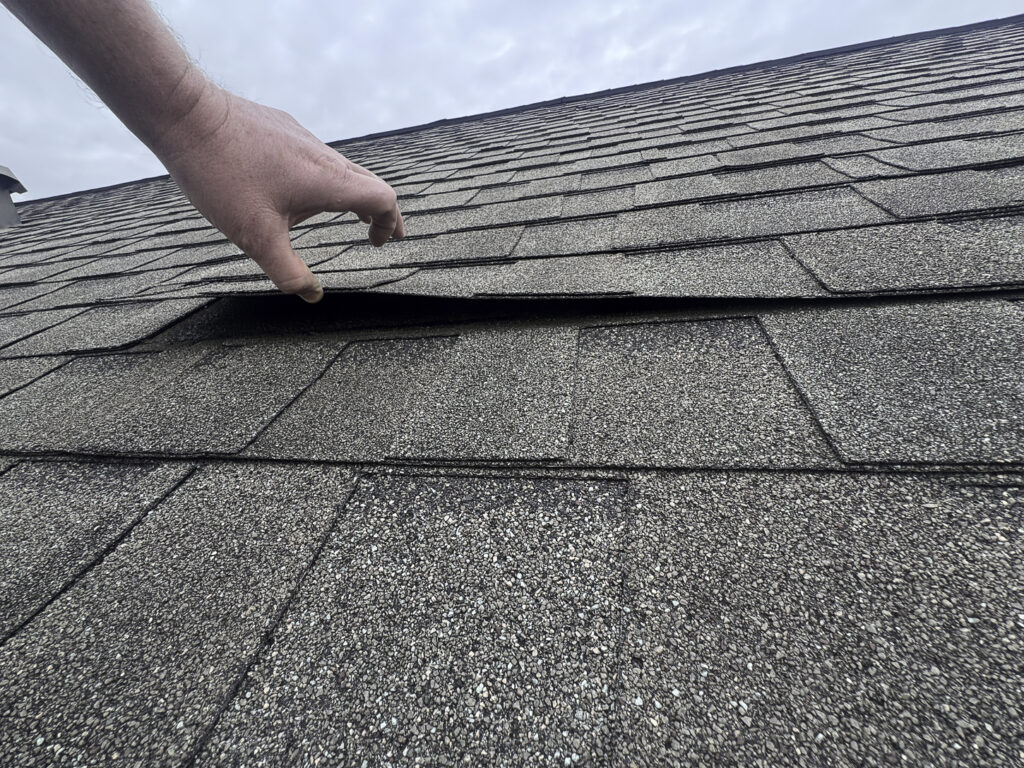
Missing, cracked, or lifted shingles
Soft decking or moisture intrusion
Improper flashing or sealant failure
Ventilation issues causing heat buildup
In Katy and surrounding areas, we recommend inspections once per year and after major storms.
Storm Damage: Wind, Hail & Texas Weather
Texas storms can cause damage that isn’t always visible from the ground. Texas consistently ranks among the top states for hail damage claims according to the Texas Department of Insurance — making storm-resistant roofing one of the smartest investments a homeowner can make.
What is the difference between Actual Cash Value vs Replacement Cost Value?
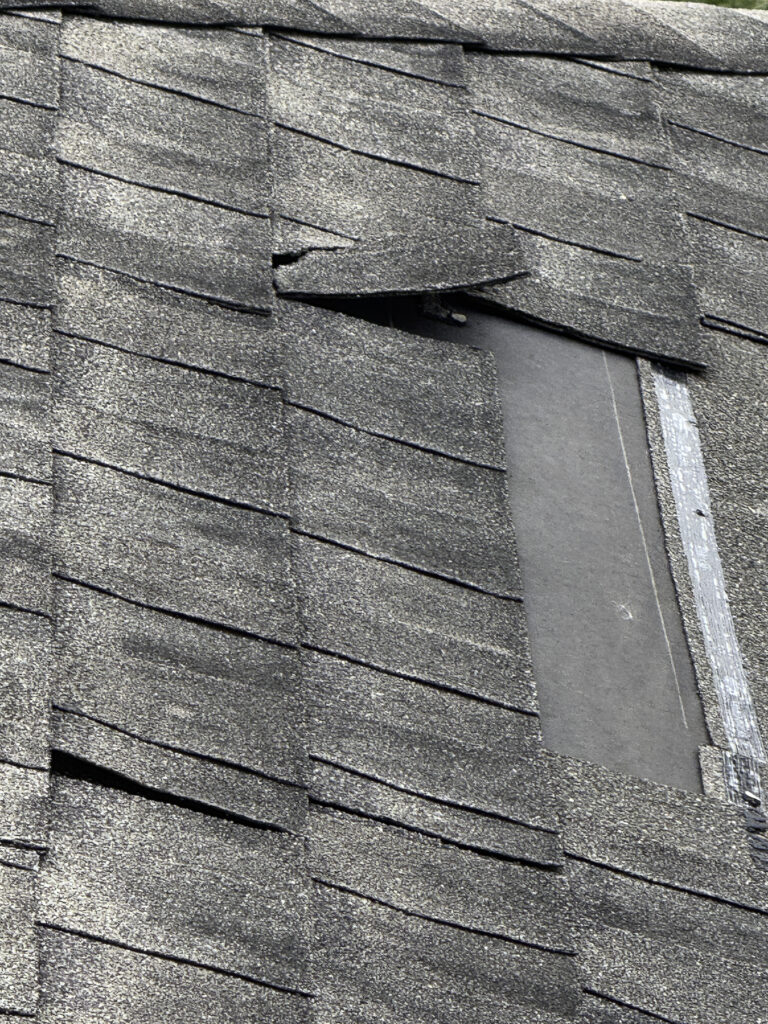
Common storm-related issues include:
Hail bruising that shortens shingle lifespan
Wind-lifted shingles that break seals
Granule loss exposing asphalt layers
Hidden leaks that worsen over time
Early documentation is key—especially if insurance is involved.
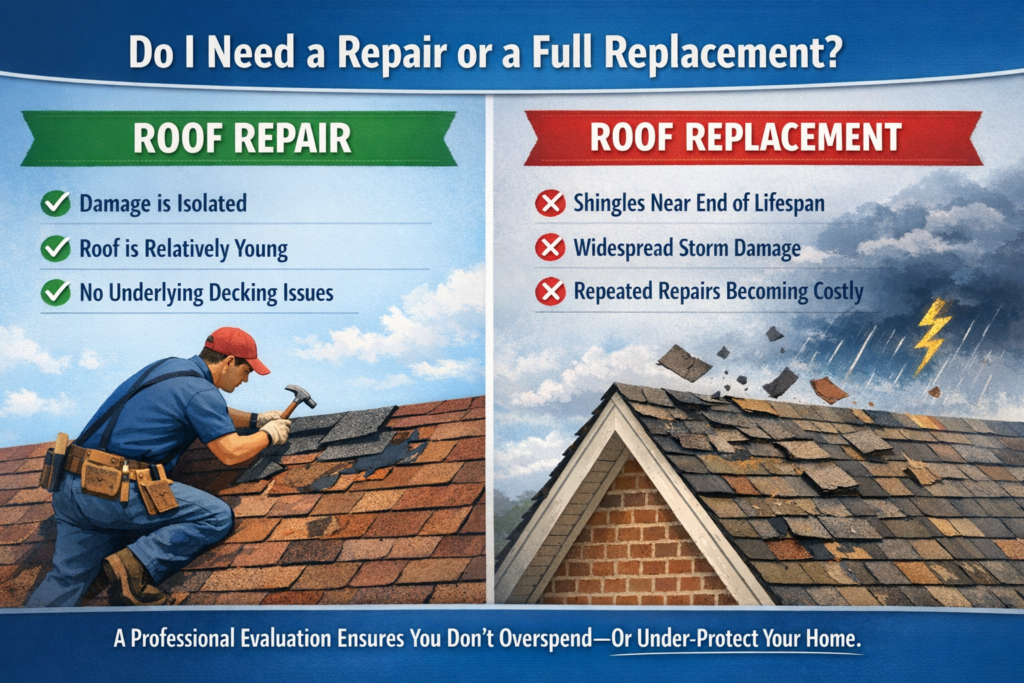
Roof Repair vs. Roof Replacement
One of the most common homeowner questions: Do I need a repair or a full replacement?
Roof repair may be sufficient if:
Damage is isolated
Roof is relatively young
No underlying decking issues exist
Roof replacement is often necessary when:
Shingles are near end of lifespan
Widespread storm damage is present
Repeated repairs are becoming costly
A professional evaluation ensures you don’t overspend—or under-protect your home.
Get a straight answer: repair or replace?
The only way to know for sure is to have someone get on the roof and document it. Our inspection reports show you photos of exactly what we found so you can make the call with facts, not guesses. If insurance is involved, we’ll help you understand your ACV vs RCV coverage before you file.
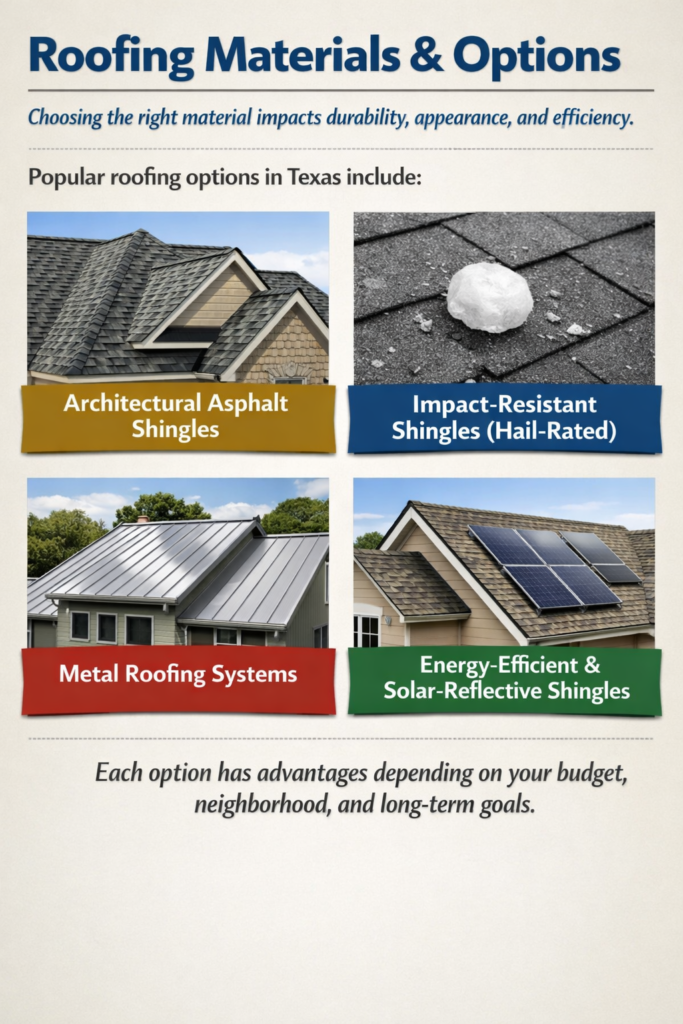
Roofing Materials & Options
Choosing the right material impacts durability, appearance, and efficiency.
Popular roofing options in Texas include:
Architectural asphalt shingles
Impact-resistant shingles (hail-rated)
Metal roofing systems
Energy-efficient and solar-reflective shingles
Each option has advantages depending on your budget, neighborhood, and long-term goals.
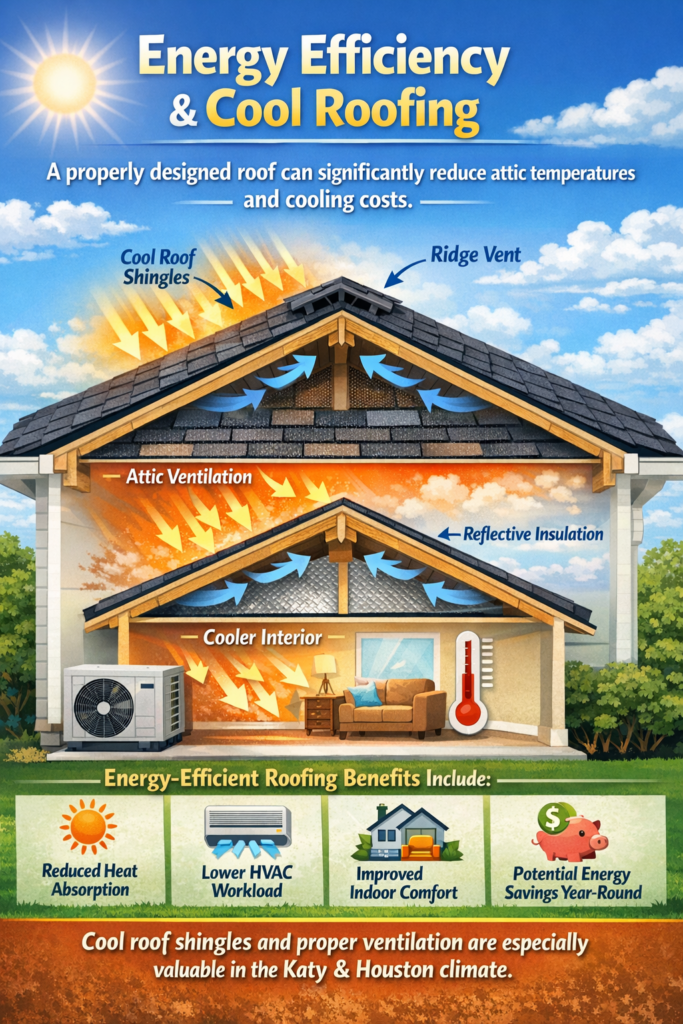
Energy Efficiency & Cool Roofing
A properly designed roof can significantly reduce attic temperatures and cooling costs.
Energy-efficient roofing benefits include:
Reduced heat absorption
Lower HVAC workload
Improved indoor comfort
Potential energy savings year-round
Cool roof shingles and proper ventilation are especially valuable in the Katy and Houston climate.
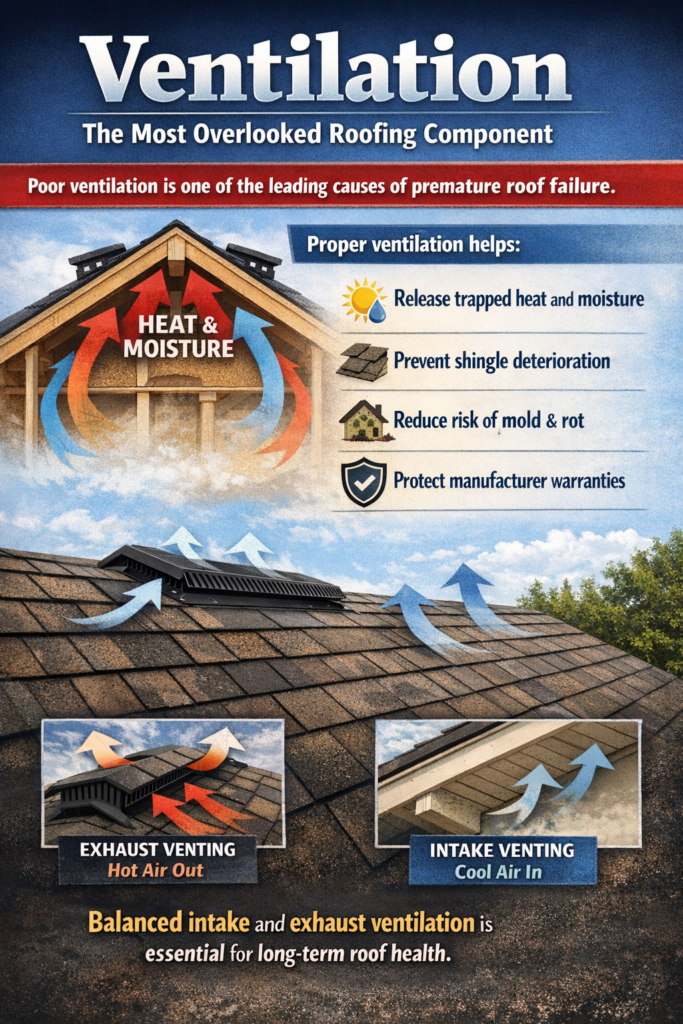
Ventilation: The Most Overlooked Roofing Component
Poor ventilation is one of the leading causes of premature roof failure.
Proper ventilation helps:
Release trapped heat and moisture
Prevent shingle deterioration
Reduce risk of mold and rot
Protect manufacturer warranties
Balanced intake and exhaust ventilation is essential for long-term roof health.
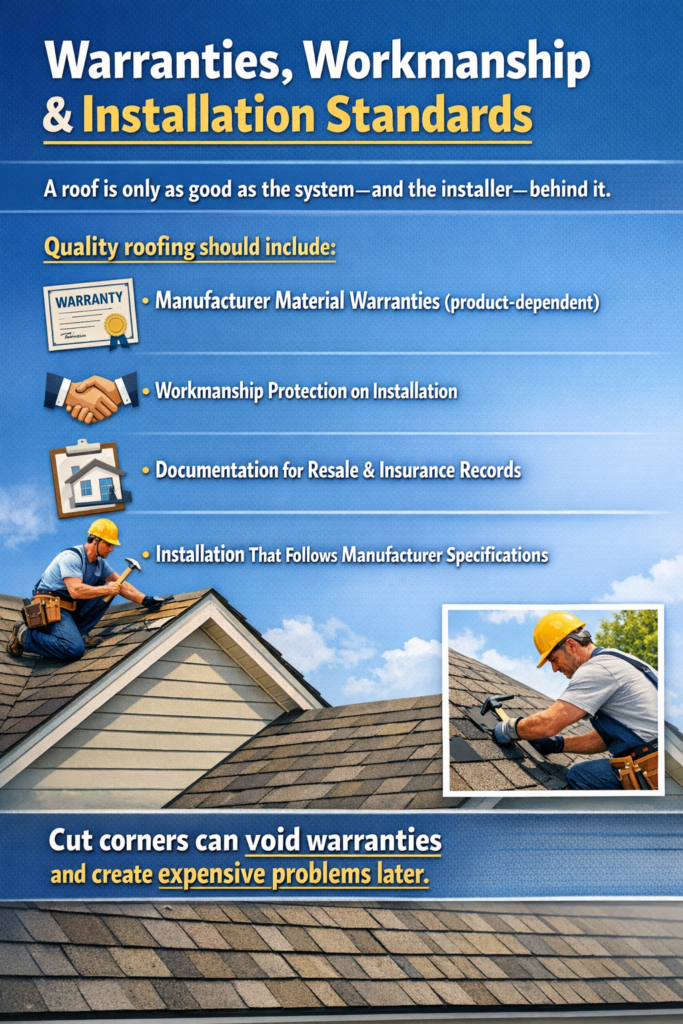
Warranties, Workmanship & Installation Standards
This roofing guide wouldn’t be complete without covering warranties — one of the most overlooked protections available to Texas homeowners.
Quality roofing should include:
Manufacturer material warranties (product-dependent)
Workmanship protection on installation
Documentation for resale and insurance records
Installation that follows manufacturer specifications
Cut corners can void warranties and create expensive problems later.
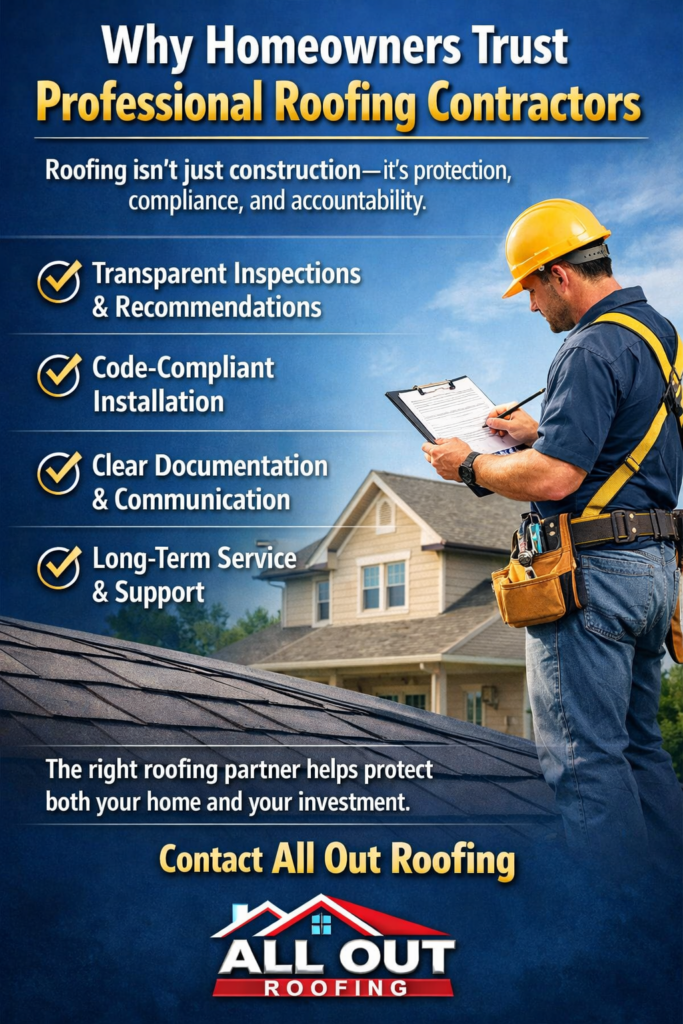
Roofing Guide: Why Professional Installation Matters
Roofing isn’t just construction—it’s protection, compliance, and accountability.
A professional contractor provides:
Transparent inspections and recommendations
Code-compliant installation
Clear documentation and communication
Long-term service and support
The right roofing partner helps protect both your home and your investment. How to choose the right contractor.
Schedule a Professional Roof Evaluation
If you’re unsure about your roof’s condition—or want expert guidance—you don’t have to guess.
A professional inspection can help you:
Identify issues early
Understand repair vs. replacement options
Plan proactively instead of reacting to emergencies
Everything you need to know about roofing—truly all under one roof.
Roofing Guide FAQ — Common Questions From Texas Homeowners
How long does a roof last in Texas?
Most asphalt shingle roofs in Texas last 15–25 years depending on the material quality, installation standards, ventilation, and weather exposure. Impact-resistant shingles can extend that range to 30+ years. Texas heat and hail accelerate wear compared to cooler climates, so regular inspections are essential. See our guide to roofing materials.
How do I know if I need a repair or a full replacement?
If damage is isolated to a small area and your roof is under 15 years old with sound decking, a repair is usually the right call. If damage covers multiple slopes, your shingles are near end of life, or repairs keep recurring, replacement is the smarter long-term investment. Read our repair vs replacement guide.
What is the difference between ACV and RCV insurance coverage?
ACV (Actual Cash Value) pays out the depreciated value of your roof — meaning older roofs receive less money. RCV (Replacement Cost Value) pays the full cost to replace your roof with new materials. Knowing which policy you have before filing a claim is critical. Learn more about ACV vs RCV
How often should I have my roof inspected in Texas?
We recommend a professional inspection once per year and after any significant storm event — hail, high winds, or hurricane remnants. Many homeowners don’t realize their roof has been damaged until leaks appear months later. How often should you inspect your roof in Texas?
What roofing warranties should I expect?
A quality roof replacement should include two types of coverage — a manufacturer material warranty covering defects in the shingles and components, and a workmanship warranty covering the installation itself. The length and terms vary by product and installer certification level. See our roofing warranties guide
Are impact-resistant shingles worth it in Texas?
For most Texas homeowners — especially in hail-prone areas like Katy, Houston, Cypress, and Fulshear — Class 4 impact-resistant shingles are one of the best investments you can make. They withstand larger hailstones, last longer, and often qualify for insurance premium discounts of 10–28%. Are Class 4 shingles worth it in Texas?
How does roof ventilation affect my roof’s lifespan?
Poor attic ventilation traps heat and moisture, which degrades shingles from the inside out and can void manufacturer warranties. A balanced intake and exhaust system is one of the most overlooked factors in long-term roof performance. Learn about roof ventilation and read our attic ventilation myths guide
How do I choose the right roofing contractor in Texas?
Look for a licensed, insured, locally based contractor with verifiable certifications, clear written estimates, and workmanship warranties. Avoid door-to-door storm chasers who pressure you to sign immediately after a weather event. How to choose the right roofing contractor
Can I finance a roof replacement in Texas?
Yes. All Out Roofing partners with Acorn Finance to offer flexible monthly payment options for qualified homeowners — with loan amounts up to $100,000, rates starting at 6.49% APR, and no impact to your credit score just to check offers. Explore roof financing options
What should I do after a storm damages my roof in Texas?
Document everything with photos, avoid temporary DIY patches that could affect your claim, and schedule a professional inspection as soon as possible. Early documentation is essential for insurance claims. Learn about storm damage and hail damage and check your free storm impact report
Want a topic-by-topic resource guide? Visit our Homeowner Education Center — organized by costs, inspections, storm damage, and the replacement process for Katy and Houston homeowners.