Storm Damage Roof Repair Guide: Wind, Hail & Insurance Claims
Severe storms can cause hidden and obvious damage to your roof and home. From wind-lifted shingles and hail impacts to water intrusion and structural issues, storm damage should never be ignored.
This Storm Damage Repair Guide explains how to identify damage, what steps to take after a storm, how insurance claims work, and when to call a professional roofing contractor. It also serves as a central resource connecting you to specialized repair solutions.
Start here if a storm just passed: Free Roof Inspection
Schedule a Free Storm Damage Inspection
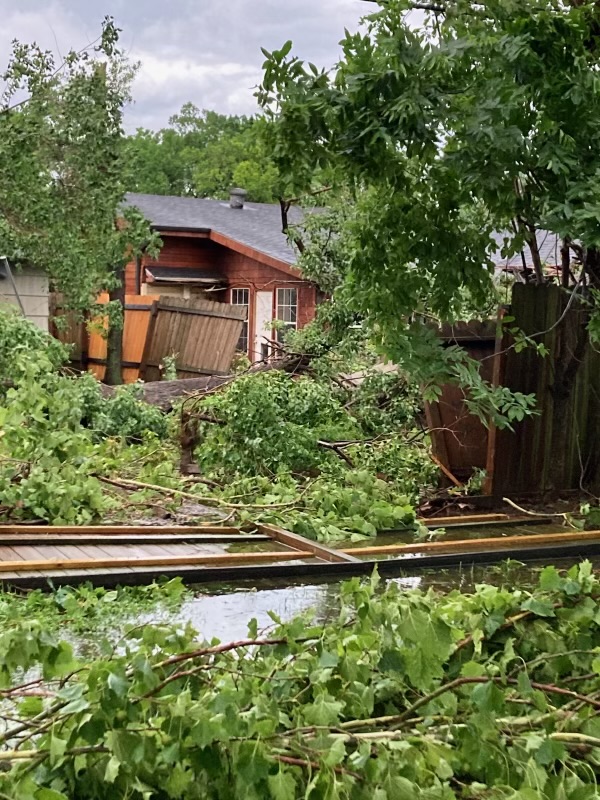
What Is Storm Damage?
Storm damage refers to any harm caused to your property by severe weather, including:
High winds
Hailstorms
Heavy rain and wind-driven water
Hurricanes and tropical storms
Tornadoes and straight-line winds
Storm damage often affects:
Roofing systems
Siding and fascia
Windows and doors
Gutters and drainage
Landscaping and fencing
⚠️ Many storm issues are not visible from the ground and worsen over time if left untreated.
Common Types of Storm Damage
Wind Damage Repair
High winds can:
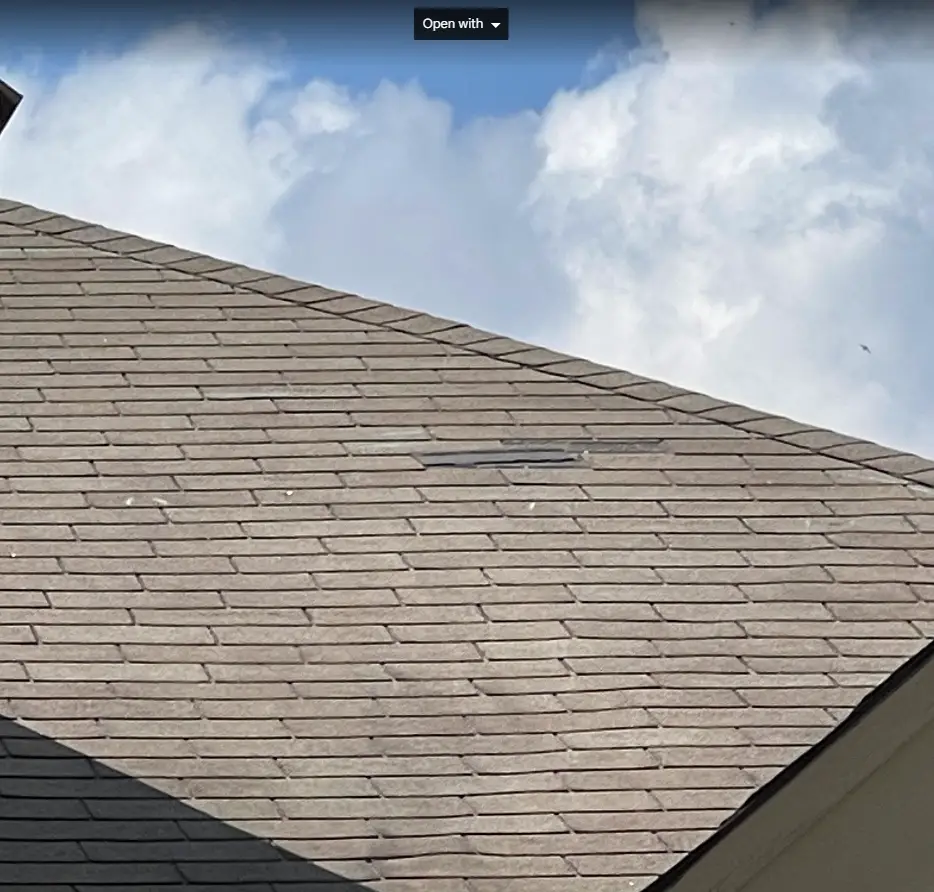
Lift or remove shingles
Break seals and expose nails
Tear off flashing and ridge caps
Cause leaks without visible holes
✔ Even a few missing shingles can lead to interior water damage.
Hail Damage Repair
Hail impacts can:
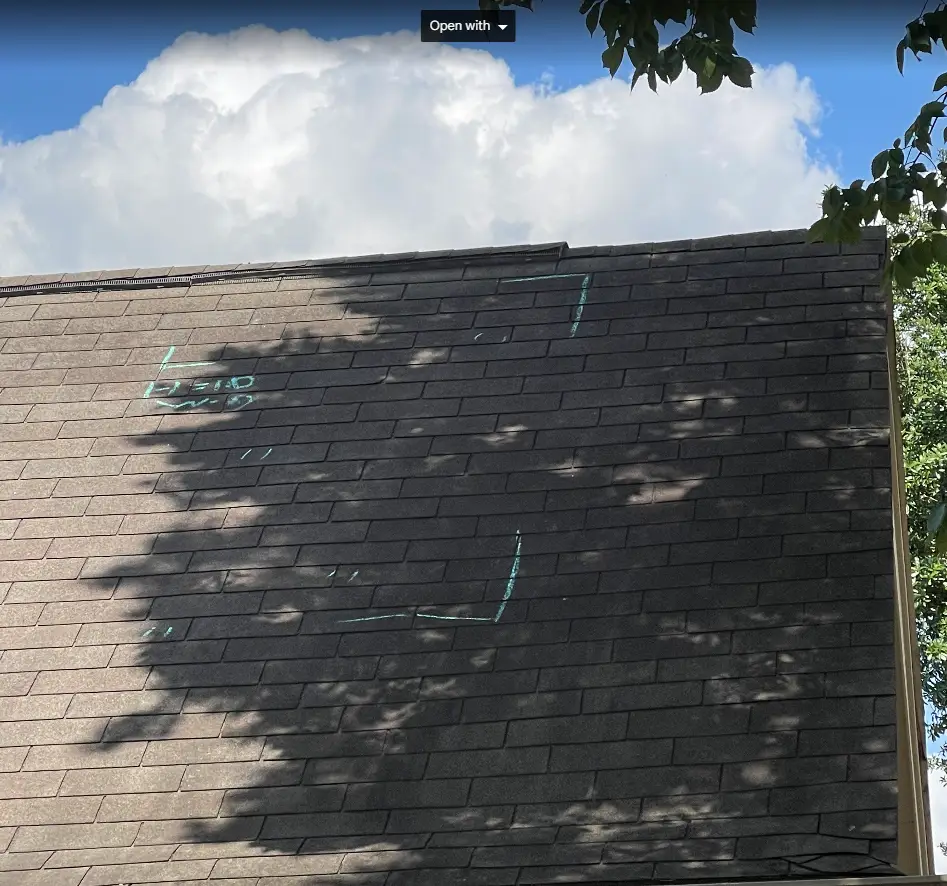
Bruise asphalt shingles
Crack tiles
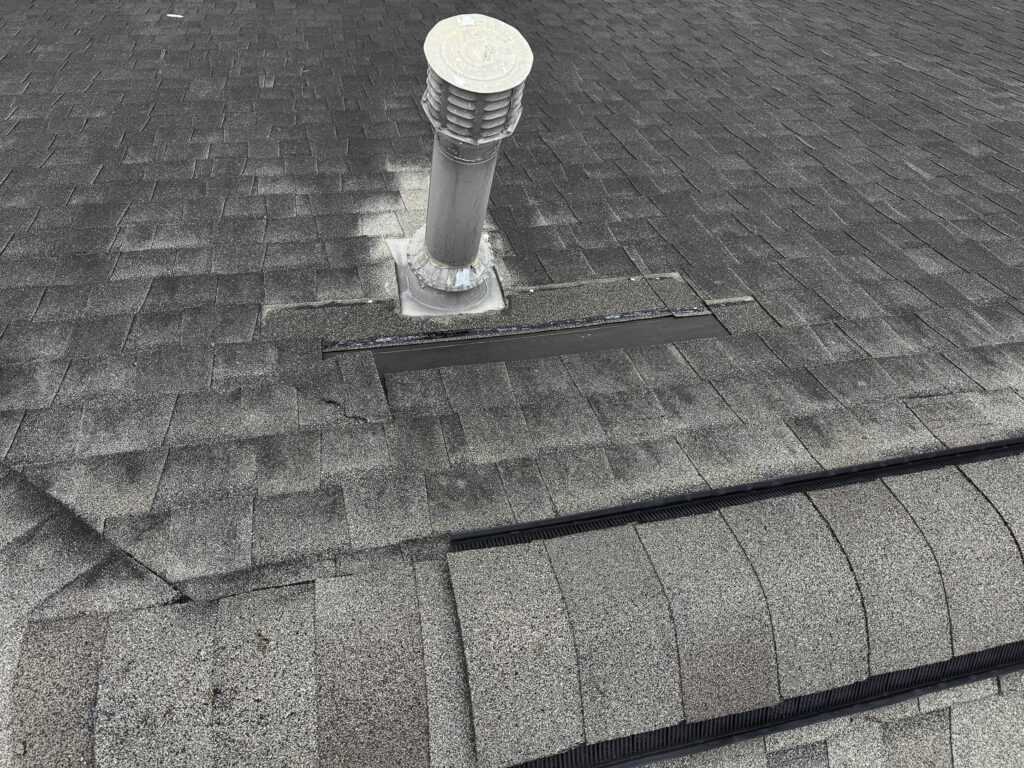
Dent metal roofing and vents
Reduce roof lifespan without leaks
✔ Many hail-damaged roofs qualify for insurance replacement.
Water & Leak Damage After Storms
Storm damage often leads to:
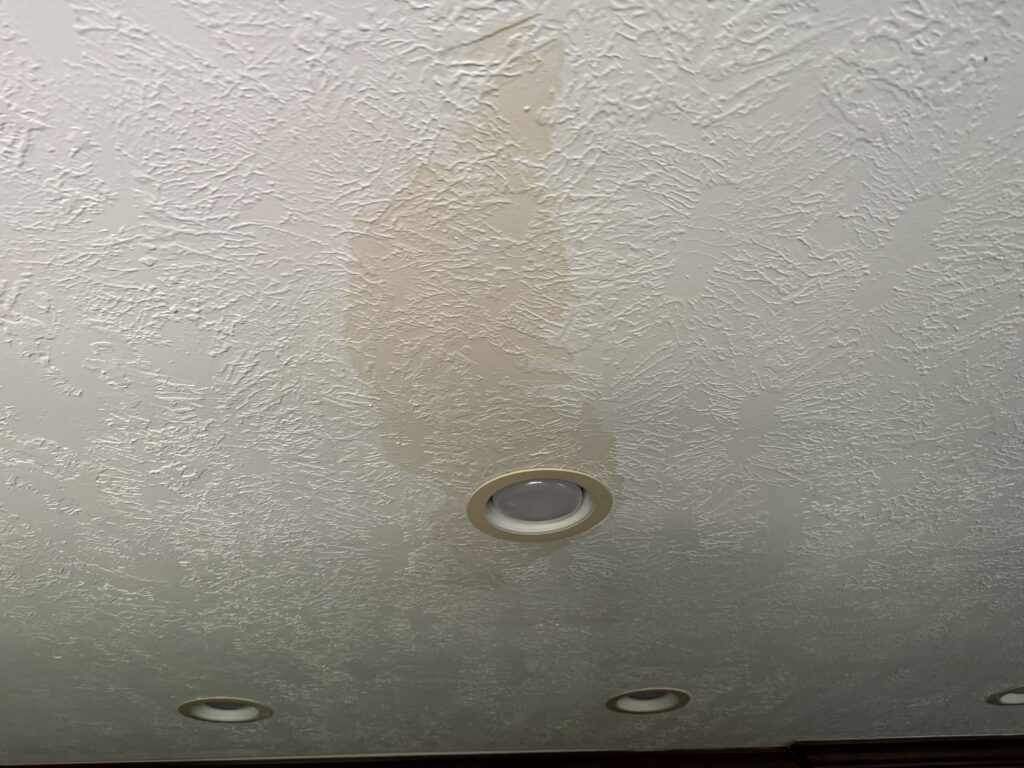
Ceiling stains
Wet insulation
Mold growth
Rotting decking
✔ Leaks may appear weeks after the storm, not immediately.
Roof Leak Repair
Emergency Storm Damage Repair
After severe storms, immediate action may be required:
Roof tarping
Boarding broken windows
Preventing further interior damage
✔ Temporary protection can prevent claim denial.
Signs Your Roof Has Storm Damage
Common signs of storm-related roof damage include:
• Missing or creased shingles
• Granules collecting in gutters
• Dented flashing, gutters, window screens or vents
• Interior ceiling stains
• Debris impact marks
What to Do After a Storm Hits Your Home
Follow these steps immediately after a storm:
Ensure safety first (downed power lines, unstable structures)
Prevent further damage (tarp roof, cover openings)
Document everything (photos, videos, dates)
Schedule a professional inspection
Contact your insurance provider
✔ Delays can result in denied or reduced claims.
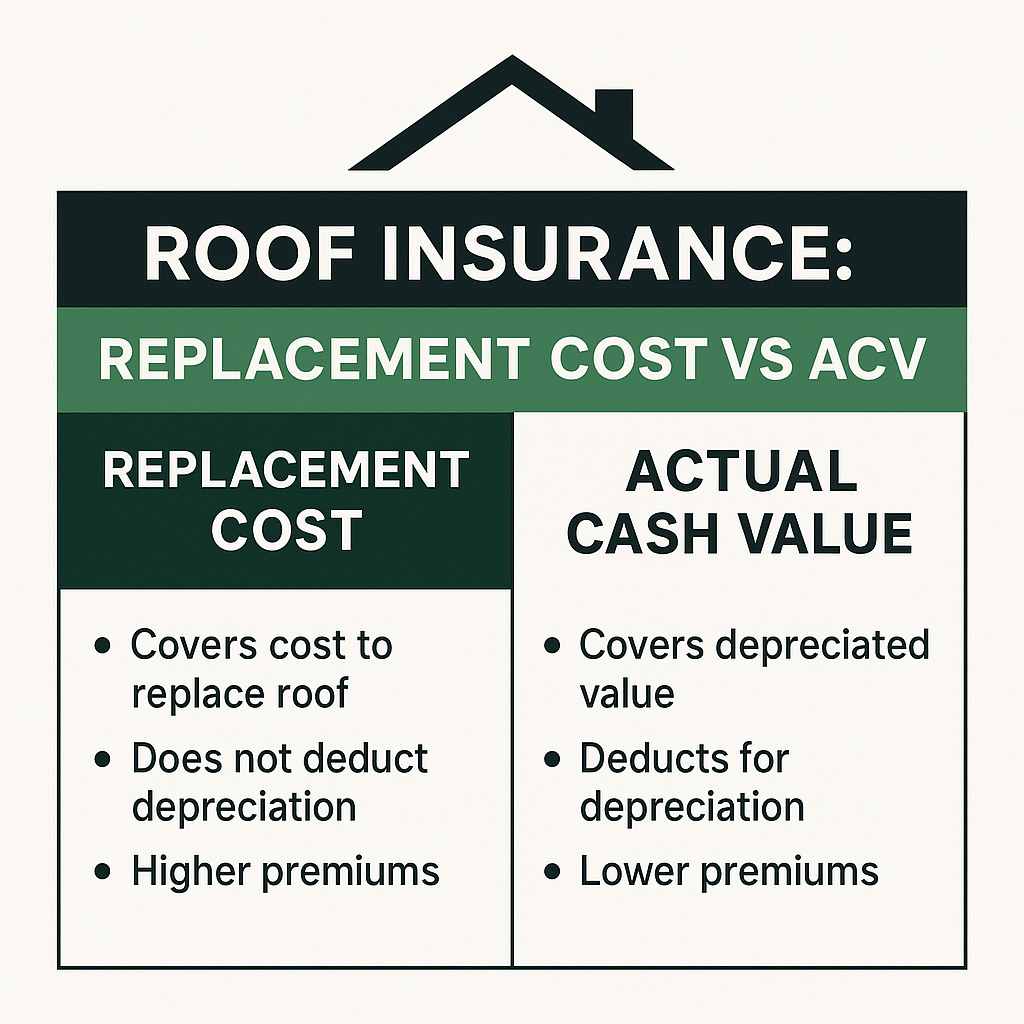
Storm Damage Insurance Claims Explained
Most homeowner policies cover storm-related damage, but the process matters.
Key insurance tips:
Never wait too long to report damage
Don’t discard damaged materials early
Avoid signing contingency agreements without understanding them
✔ A professional inspection report strengthens your claim.
🔗 External Authority Resource:
NOAA severe storm and wind event data
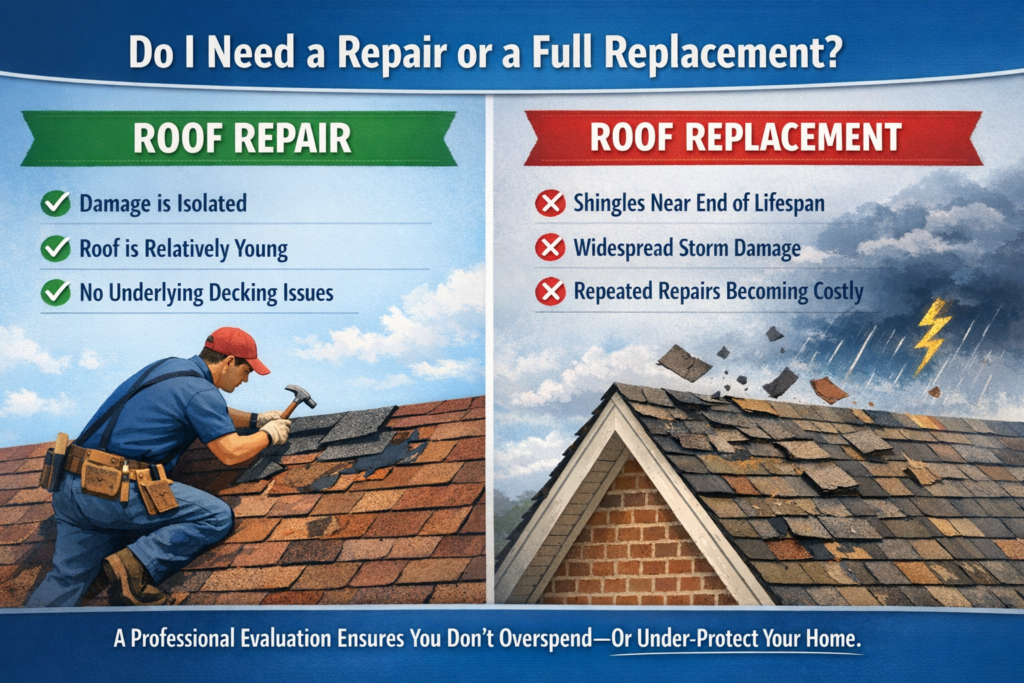
Storm Damage Repair: DIY vs Professional Help
DIY May Be Acceptable For:
Temporary tarping
Minor shingle replacement
Call a Professional If You See:
Widespread roof damage
Structural concerns
Interior water intrusion
Insurance involvement
Storm Damage Repair Costs
Costs vary depending on:
Type of storm damage
Roofing material
Extent of repairs
Insurance coverage
💡 Many storm-damaged roofs are mostly or fully covered by insurance, minus the deductible.
How to Prevent Future Storm Damage
Reduce future risk by:
Installing impact-resistant shingles
Reinforcing roof connections
Keeping gutters clear
Trimming trees annually
Impact-Resistant Roofing
Storm Damage Repair FAQs
How do I know if my roof has storm damage?
Storm damage signs include missing shingles, dents, leaks, granules in gutters, and interior ceiling stains. A professional inspection is the best way to confirm damage.
Is storm damage covered by insurance?
Most homeowner policies cover storm damage caused by wind or hail, subject to your deductible and policy terms.
How soon should storm damage be repaired?
Storm damage should be addressed as soon as possible to prevent leaks, mold, and further structural damage.
Can storm damage be hidden?
Yes. Many forms of storm damage are not visible from the ground and worsen over time if ignored.