How Often Should You Have Your Roof Inspected in Texas?

All Out Roofing, LLC

How Often Should You Have Your Roof Inspected in Texas?

Roof inspections are one of the most overlooked—but most valuable—steps homeowners can take to protect their investment. In Texas, where extreme heat, heavy rain, hail, and wind are common, skipping inspections can quietly turn minor issues into major repairs.

For homeowners in Katy and the greater Houston area, knowing how often to inspect your roof (and what inspections actually uncover) can extend roof life, preserve warranties, and help you avoid unexpected expenses.

Storm Damage in Cypress Texas recent storms we have inspected. Get your storm report.

Why Roof Inspections Matter More in Texas

Texas roofs endure conditions that accelerate wear:

  • Intense UV exposure that dries and ages shingles

  • Severe storms that cause hidden damage

  • High humidity that traps moisture in attics

  • Strong winds that break shingle seals

Many roofing problems start small and invisible from the ground. By the time stains appear on ceilings, damage has often spread beneath the surface.

Everything You Need to Know ABout Roofing – All Under One Roof

How Often Should You Inspect Your Roof in Texas?

The Short Answer

Most Texas homes should have:

  • One professional roof inspection per year

  • An additional inspection after any major storm

The Long Answer

Inspection frequency depends on:

  • Roof age

  • Roofing material

  • Storm exposure

  • Ventilation quality

Homes in Katy and surrounding Houston suburbs experience frequent hail and wind events, making storm-triggered inspections especially important.

Annual Roof Inspections: What They Prevent

An annual inspection helps identify issues before they become costly repairs.

Problems commonly found during annual inspections:

  • Cracked or lifting shingles

  • Granule loss from hail or UV damage

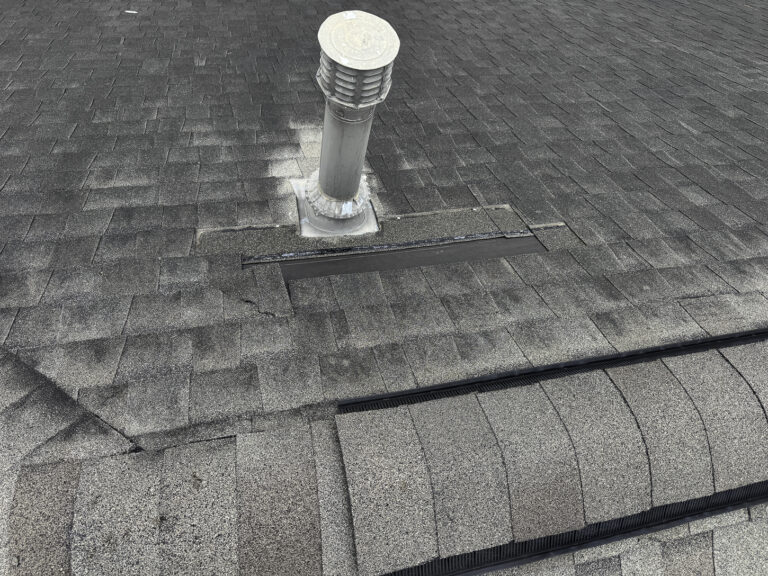
  • Flashing separation at chimneys and vents

  • Early decking moisture issues

  • Ventilation imbalances

Addressing these early can add years to your roof’s lifespan.

Understanding the Parts of a Residential Roofing System

Post-Storm Roof Inspections: Why Timing Matters

Not all storm damage is immediately obvious. Hail, in particular, can bruise shingles internally without breaking the surface.

After a storm, inspections help:

  • Document damage while it’s fresh

  • Prevent leaks from worsening

  • Preserve insurance claim options

  • Stop moisture intrusion before rot begins

Waiting months after a storm often leads to denied claims or unrecoverable damage.

How to Spot Wind Damage on Your Roof

What a Professional Roof Inspection Includes

A professional inspection evaluates the entire roofing system, not just shingles.

Exterior inspection:

  • Shingle condition and seal integrity

  • Flashing at chimneys, vents, skylights

  • Valleys and drainage points

  • Ridge caps and ventilation outlets

Interior inspection:

  • Attic moisture and insulation levels

  • Ventilation performance

  • Signs of leaks or staining

  • Decking condition from below

This system-wide approach is critical in Texas homes.

DIY Roof Checks vs Professional Inspections

What homeowners can do:

  • Look for missing or lifted shingles from the ground

  • Check gutters for excess granules

  • Monitor ceilings for stains

What homeowners shouldn’t do:

  • Walk on steep roofs

  • Rely solely on binocular checks

  • Ignore attic inspections

Professional inspections identify problems before they’re visible from outside.

Roof Age & Inspection Frequency

New roofs (0–5 years):

  • Annual inspections recommended

  • Focus on installation quality and ventilation

Mid-life roofs (6–15 years):

  • Annual + post-storm inspections

  • Watch for seal failure and flashing wear

Older roofs (15+ years):

  • Increased inspection importance

  • Evaluate repair vs replacement options

How Roof Inspections Protect Your Warranty

Most manufacturer warranties require:

  • Proper installation

  • Adequate ventilation

  • Ongoing maintenance

Skipping inspections can lead to denied warranty claims if issues go undocumented.

Common Inspection Red Flags in Katy & Houston Homes

Professional inspectors often find:

  • Inadequate intake ventilation

  • Improper flashing repairs using caulk

  • Underlayment exposure

  • Soft decking from slow leaks

  • Storm damage mistaken for “normal wear”

Each of these issues can shorten roof life significantly if ignored.

How Much Does a Roof Inspection Cost in Texas?

Many professional roof inspections are:

  • Free with documentation

  • Low-cost preventative services

  • Included with storm assessments

Compared to roof repair or replacement, inspections are one of the highest ROI services available to homeowners.

Schedule a Roof Inspection

When Inspections Lead to Bigger Decisions

A roof inspection doesn’t always mean repairs are needed—but it provides clarity.

Inspections help homeowners:

  • Plan financially

  • Avoid emergency replacements

  • Decide between repair or replacement

  • Time projects strategically

Knowledge eliminates guesswork.

Katy Texas Roof Inspection FAQs

How often should a roof be inspected in Texas?

At least once per year and after any major storm, especially in areas like Katy and Houston.

Yes. Hail and wind damage often affect shingles internally before becoming visible.

Yes. Early documentation strengthens claims and prevents damage from worsening.

Many manufacturer warranties require proper maintenance and documentation, which inspections support.

Absolutely. Inspections prevent small issues from turning into expensive repairs.

Scroll to Top