
Understanding the Parts of a Residential Roofing System
A Katy & Houston Homeowner’s Guide
Most homeowners think a roof is just shingles. In reality, your roof is a multi-layered system designed to protect your home from Texas heat, wind, rain, and hail. When one part fails, the entire system is at risk.
For homeowners in Katy and the greater Houston area—where storms, humidity, and extreme temperatures are common—understanding how a roofing system works can help you make smarter decisions about inspections, repairs, and replacements.
This guide breaks down every component of a residential roofing system, explains what each part does, and shows why professional installation matters.
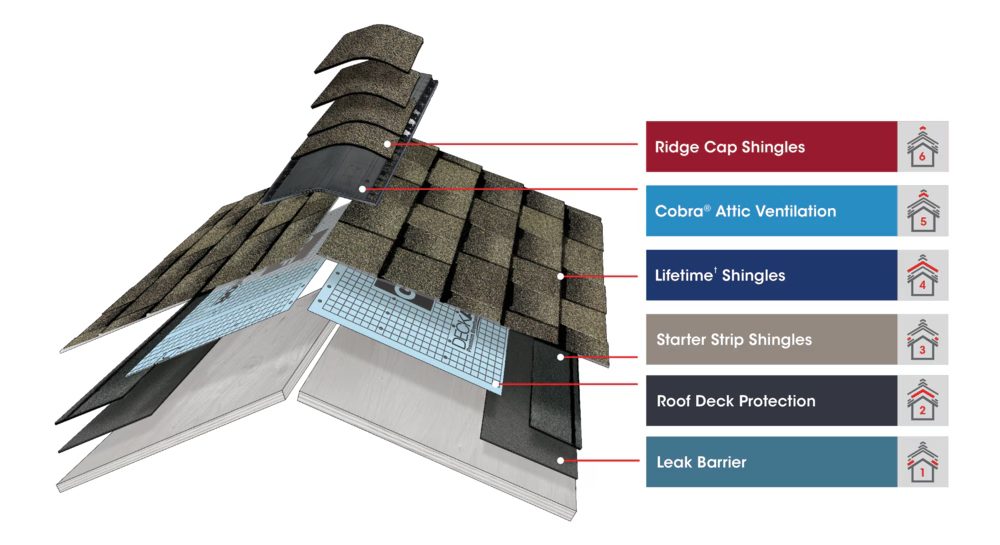
What Is a Roofing System?
A roofing system is a combination of materials installed in a specific order to work together as one protective barrier. It’s designed to:
Shed water away from your home
Prevent moisture intrusion
Regulate heat and airflow
Protect structural components
Maintain manufacturer warranty eligibility
When properly installed, a roofing system can last decades. When installed incorrectly—or with missing components—it can fail years early.
1. Roof Decking: The Foundation of the System
The roof decking (also called the roof sheathing) is the wooden surface your entire roofing system is built on.
Common decking materials:
OSB (Oriented Strand Board) – Most common in Texas homes
Plywood – More expensive, higher moisture resistance
Why decking matters:
Supports the weight of shingles and roofing materials
Provides a nailing surface
Reveals hidden water damage during replacement
In Katy and Houston, decking damage often occurs from:
Long-term leaks
Poor attic ventilation
Storm-driven rain intrusion
Any compromised decking must be replaced before a new roof is installed—skipping this step can cause premature failure.
2. Underlayment: Your Roof’s Water Barrier
Underlayment is installed directly on top of the decking and beneath the shingles. It acts as a secondary layer of defense against moisture.
Types of underlayment:
Synthetic underlayment (most common today)
Felt underlayment (older systems, less durable)
Why underlayment is critical in Texas:
Protects decking from wind-driven rain
Helps prevent leaks if shingles are damaged
Required for manufacturer warranties
High-quality synthetic underlayments are especially important in the Houston area due to heavy rainfall and hurricane-season storms.
3. Ice & Water Shield: Protection in Vulnerable Areas
Ice and water shield is a self-adhering waterproof membrane installed in the most leak-prone areas of your roof.
Common placement areas:
Valleys
Around chimneys
Skylights
Roof-to-wall transitions
Eaves and penetrations
Even though Texas doesn’t deal with ice dams like northern states, wind-driven rain makes ice & water shield essential in Katy homes.
Skipping this step is one of the most common shortcuts taken by low-cost roofers—and one of the biggest causes of future leaks.
4. Starter Shingles: The Most Overlooked Component
Starter shingles are installed along the eaves and rakes before field shingles go on.
What starter shingles do:
Seal the first row of shingles
Prevent wind uplift
Protect against water blow-back
Without proper starter shingles, even premium roofing materials can fail during high winds—something Houston-area homeowners know all too well.
5. Shingles: The Visible Protection Layer
Shingles are the most recognizable part of your roof, but they rely heavily on everything underneath them.
Common options in Katy & Houston:
Architectural asphalt shingles
Impact-resistant shingles
Energy-efficient or solar-reflective shingles
Shingles protect against:
UV exposure
Rain and hail
Wind uplift
However, shingles alone do not waterproof your roof—that’s the job of the system beneath them.
6. Flashing: The Leak Prevention System
Flashing consists of metal components installed at roof transitions and penetrations.
Areas requiring flashing:
Chimneys
Plumbing vents
Skylights
Valleys
Roof-to-wall connections
Improper flashing is the #1 cause of roof leaks in Texas homes. Caulking is not a permanent solution—properly installed flashing is.
7. Ventilation: Heat & Moisture Control
Roof ventilation is one of the most critical—and misunderstood—components of a roofing system.
Proper ventilation helps:
Reduce attic temperatures
Prevent moisture buildup
Extend shingle lifespan
Protect warranties
Common ventilation types:
Ridge vents
Box vents
Turbine vents
Soffit intake vents
In Katy’s hot, humid climate, poor ventilation can shorten a roof’s life by 5–10 years.
8. Ridge Caps & Final Sealing
Ridge caps complete the system by sealing the peak of the roof and covering ridge vents.
Why ridge caps matter:
Prevent water intrusion
Secure ridge ventilation
Add wind resistance
Improper ridge cap installation can lead to leaks even on a brand-new roof.
Why Roofing Systems Fail Early in Texas
Most premature roof failures aren’t caused by material defects—they’re caused by system installation errors.
Common issues include:
Missing underlayment
Improper flashing
Poor ventilation design
Skipped decking repairs
Non-compliant installation
This is why professional installation and documentation matter as much as material selection.
Roof Warranties Explained for Texas Homeowners.
Why Understanding Your Katy Roofing System Matters
When homeowners understand how roofing systems work, they:
Avoid unnecessary repairs
Spot red flags early
Make better replacement decisions
Protect home resale value
A roof isn’t just a purchase—it’s a long-term protection system for your home.
Katy Roofing System FAQs
What are the main components of a residential roofing system?
A complete roofing system includes decking, underlayment, ice & water shield, starter shingles, field shingles, flashing, ventilation, and ridge caps.
Is underlayment really necessary under shingles?
Yes. Underlayment provides critical moisture protection and is required for most manufacturer warranties.
Why is roof ventilation important in Texas?
Proper ventilation reduces attic heat and moisture, extends roof life, and helps prevent premature shingle failure in hot climates like Katy and Houston.
What causes roof leaks around chimneys and vents?
Improper or failing flashing is the most common cause of leaks around roof penetrations.
Can a roof fail even if the shingles look fine?
Yes. Many roof failures occur below the shingles due to underlayment, flashing, or ventilation issues.