The reflective, “cool” shingle lines from GAF, Owens Corning, and CertainTeed all use different granule technology to cut down attic heat gain, but for Katy and Houston homeowners the bigger factor is almost always color choice and attic ventilation, not which of the three brands is on the roof. Here’s how the actual cool-roof product lines compare, and what we’ve seen make a real difference in Texas heat.
Why Shingle Color
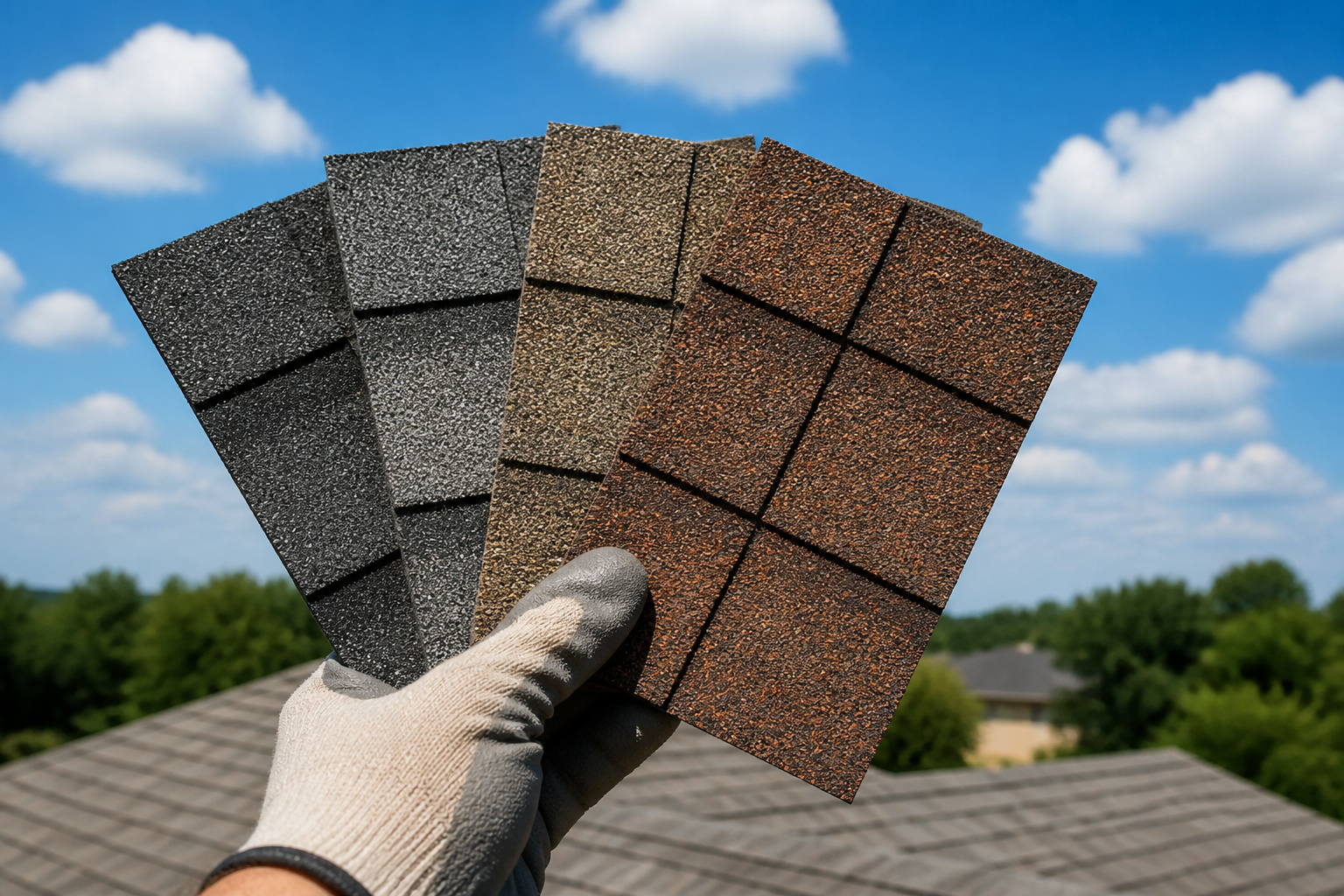
Asphalt shingles absorb solar energy and convert it to heat, and darker colors absorb more of it. Manufacturers address this with specially coated granules that reflect more of the sun’s energy back rather than letting it soak into the shingle and radiate into the attic below. The industry measures this with the Solar Reflectance Index (SRI) and Cool Roof Rating Council (CRRC) ratings — the same standards used for California’s Title 24 cool-roof code, which has become the reference point the roofing industry uses nationally, including here in the Gulf Coast.
GAF Timberline Cool Series / HDZ Reflector Series
GAF’s reflective shingle line uses what the company calls EcoDark granule technology, engineered to let darker shingle colors meet cool-roof reflectance thresholds that older dark shingles couldn’t hit. GAF markets these shingles as meeting the SRI requirements used in stricter cool-roof jurisdictions like Los Angeles County (which requires an SRI of 20 or higher for high-slope residential roofs) — a useful benchmark even though Katy and Houston don’t have that specific code requirement.
Owens Corning Duration / TruDefinition Cool Collection
Owens Corning’s Cool Roof Collection, built on its Duration and TruDefinition shingle platforms, is marketed around the same idea: granule technology designed to reflect more solar energy while still offering the darker color options homeowners actually want. Owens Corning frames the benefit primarily around comfort and cooling-cost reduction rather than a single published reflectance number, and pairs it with the broader Total Protection Roofing System warranty structure when the full system (starter strip, underlayment, ventilation, ridge cap) is installed together.
CertainTeed Landmark Solaris
CertainTeed’s Landmark Solaris line is CRRC-rated and built to comply with California’s Title 24 cool-roof requirements in its “High Index” color options, with select colors also meeting the stricter Los Angeles County Title 31 standard. Reflectance varies by color rather than being a single number across the whole product line, so the actual SRI depends on which Solaris color is chosen — CertainTeed’s own product documentation is the accurate source for a specific color’s rating.
Cool Shingle Line Comparison
| Brand | Cool Product Line | How It Reduces Heat | Independent Rating |
|---|---|---|---|
| GAF | Timberline Cool Series / HDZ Reflector Series | EcoDark reflective granules | Meets SRI 20+ cool-roof thresholds (varies by color) |
| Owens Corning | Duration / TruDefinition Cool Collection | Reflective granule technology | Marketed for cooling comfort; pairs with Total Protection System warranty |
| CertainTeed | Landmark Solaris | CRRC-rated reflective granules | Title 24 / Title 31 compliant in High Index colors (varies by color) |
Cool Shingles Alone Won’t Fix a Hot Attic
Every one of these product lines helps at the shingle surface, but none of them replace proper attic ventilation. A well-ventilated attic with a standard shingle will often outperform a poorly-ventilated attic with premium cool shingles, because trapped heat and moisture do most of the damage to a roofing system over time — not just surface temperature. If you’re comparing shingle lines for heat performance, it’s worth reading how much ventilation your attic actually needs under code before you decide where to spend the upgrade budget: see our breakdown of roof ventilation code requirements in Harris and Fort Bend County and our deeper roof ventilation guide for Texas homes.
What We See in the Field
Most homeowners ask us “which brand is coolest” when the real driver of attic temperature on the jobs we run is almost always ventilation balance and shingle color, not brand. We’ve measured comparable attic temperatures between a properly-ventilated standard shingle roof and a cool-rated shingle roof with weak ventilation — the ventilation almost always wins. Where cool shingle lines genuinely help is when a homeowner wants a dark color for curb appeal but doesn’t want to give up as much reflectance, since the granule technology narrows that gap. If impact resistance matters as much as heat performance, our Class 4 impact-resistant shingles guide covers that upgrade on its own. For a side-by-side on wind and algae performance between GAF and Owens Corning specifically (not heat), see our GAF vs Owens Corning comparison for Katy, and for a full materials rundown including metal and impact-resistant options, see the best roofing materials for Texas homes.
Frequently Asked Questions
Do cool roof shingles actually lower my energy bill?
They can help, but the effect depends heavily on your attic’s ventilation, insulation levels, and the color you choose. Manufacturers are careful to note that energy savings aren’t guaranteed and vary by home — cool shingles are one factor among several, not a standalone fix.
Are cool roof shingles required by code in Katy or Houston?
No. The strict SRI-based cool-roof requirements (like Los Angeles County’s) don’t apply here. Cool shingle lines are an optional upgrade in our area, chosen for comfort and cooling-cost reasons rather than a code requirement.
Do cool shingles cost more than standard shingles?
Generally yes, cool-rated lines carry a premium over the same manufacturer’s standard architectural shingle, since they use upgraded granule technology. Ask your contractor for current pricing on the specific line and color you’re considering.
Does Class 4 impact resistance come in cool shingle versions?
Some manufacturers offer overlap between impact-resistant and reflective product lines, but not every combination exists in every color. See our Class 4 impact-resistant shingles guide for how that upgrade compares on its own merits.
Which brand do you recommend for Texas heat?
We don’t push one brand over another as a blanket answer — the right choice depends on your attic’s current ventilation, your color preference, and your budget. We’ll walk through the actual options for your roof during a free inspection rather than default to one brand.
Want a straight answer on what would actually help your attic stay cooler — shingle upgrade, ventilation fix, or both? Schedule a free inspection and we’ll show you the real numbers for your roof. Call (281) 769-4282.
By the All Out Roofing Team