
Most roof damage signs are easy to miss and cheap to act on, which is an unfortunate combination. Houston-area roofs take a beating — brutal summer heat, sudden windstorms, hail, the occasional tornado — and the roof is working overtime to protect your home.
The problem? Most roof damage starts small and quietly. By the time you see a big leak inside, the damage is often much worse (and more expensive) than it needed to be.
At All Out Roofing, we’ve inspected and repaired thousands of roofs across Katy, Houston, Fulshear, Richmond, Cypress, Spring, and The Woodlands. Below are the top warning signs of roof damage we see every week—and what you should do if you spot them.
If you notice any of these signs, schedule a free, no-obligation roof inspection with All Out Roofing. Catching problems early can save you thousands.
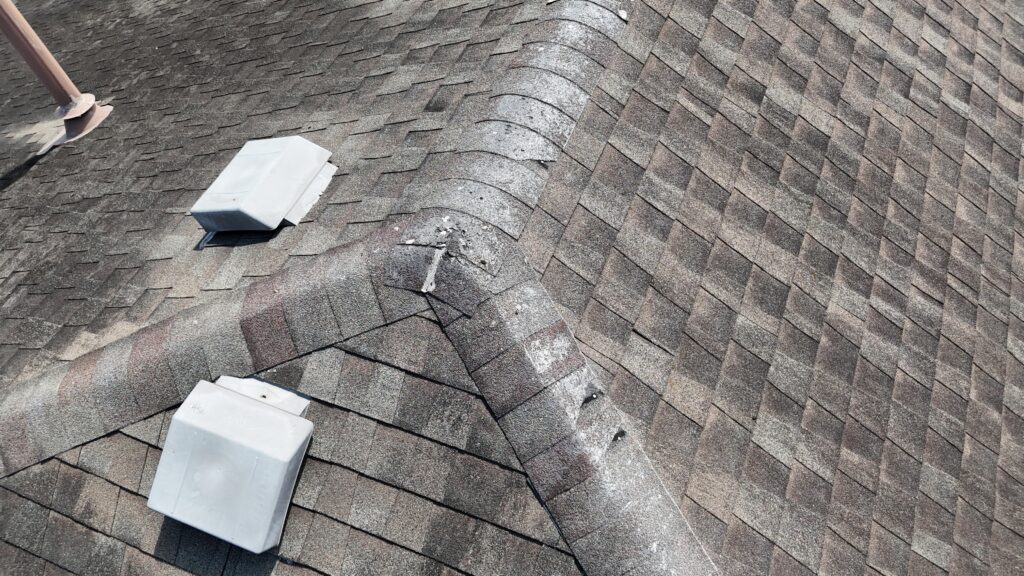
1. Missing, Cracked, or Curling Shingles
Take a look at your roof from the ground after a storm. Do you see:
Shingles missing completely?
Shingles that look cracked, curled, or lifted on the edges?
Pieces of shingles in the yard after high winds?
In Houston’s wind and hail, shingles can be torn, bruised, or bent back enough to break their seal. Once that seal is gone, water can work its way under the roof covering and into the decking below.
What to do: If you see any missing or damaged shingles—especially after a recent storm—have us inspect the area before the next round of rain hits.
2. Dark Patches or “Bald” Spots on the Roof
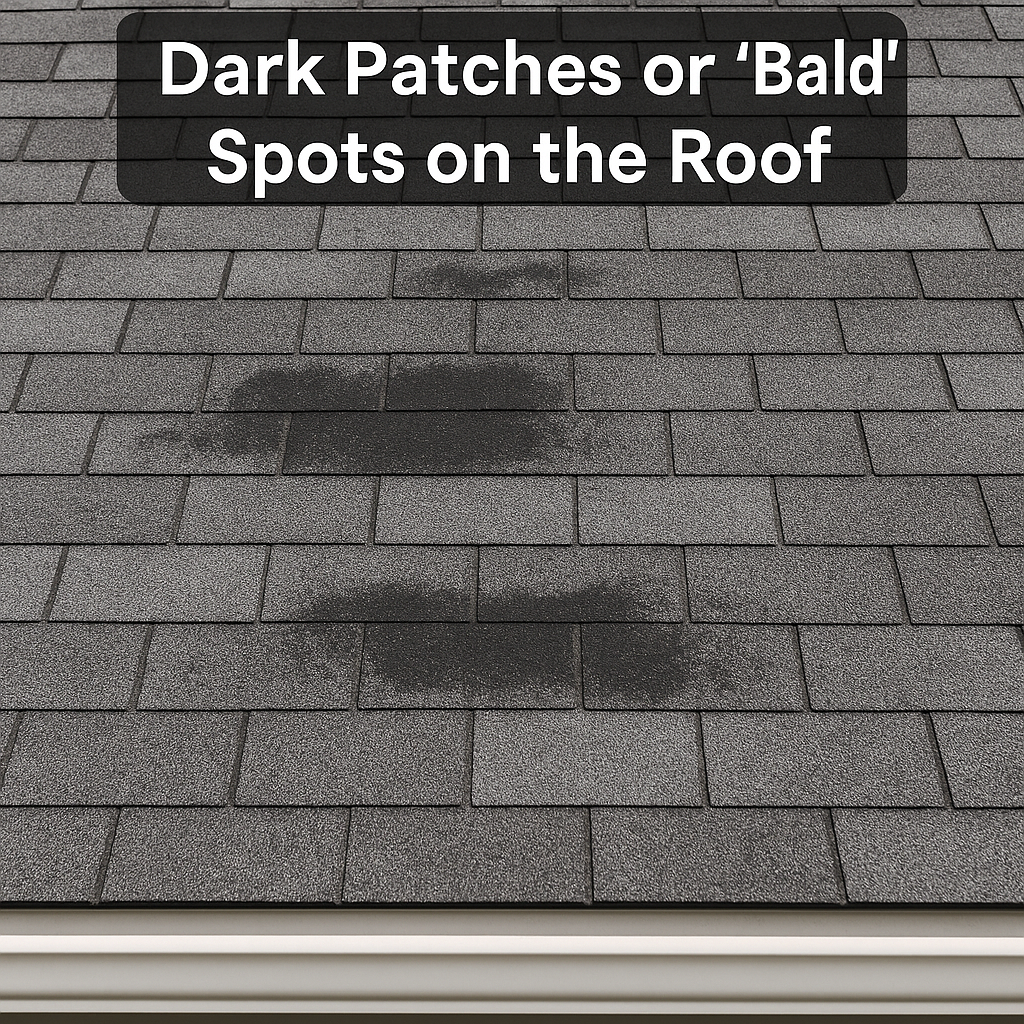
From the street, your roof should look fairly even in color. Watch out for:
Noticeably darker or lighter patches
Areas that look “bald” or worn down
Spots that stay wet longer than the rest of the roof
These can be signs of granule loss, worn shingles, or previous repair attempts that weren’t done correctly. On older roofs in Katy and Houston, we often find entire slopes worn smooth after years of sun and hail.
Why it matters: Bald or worn areas are more vulnerable to leaks and can signal that your roof is nearing the end of its life.
3. Grit or Roofing Granules in Your Gutters
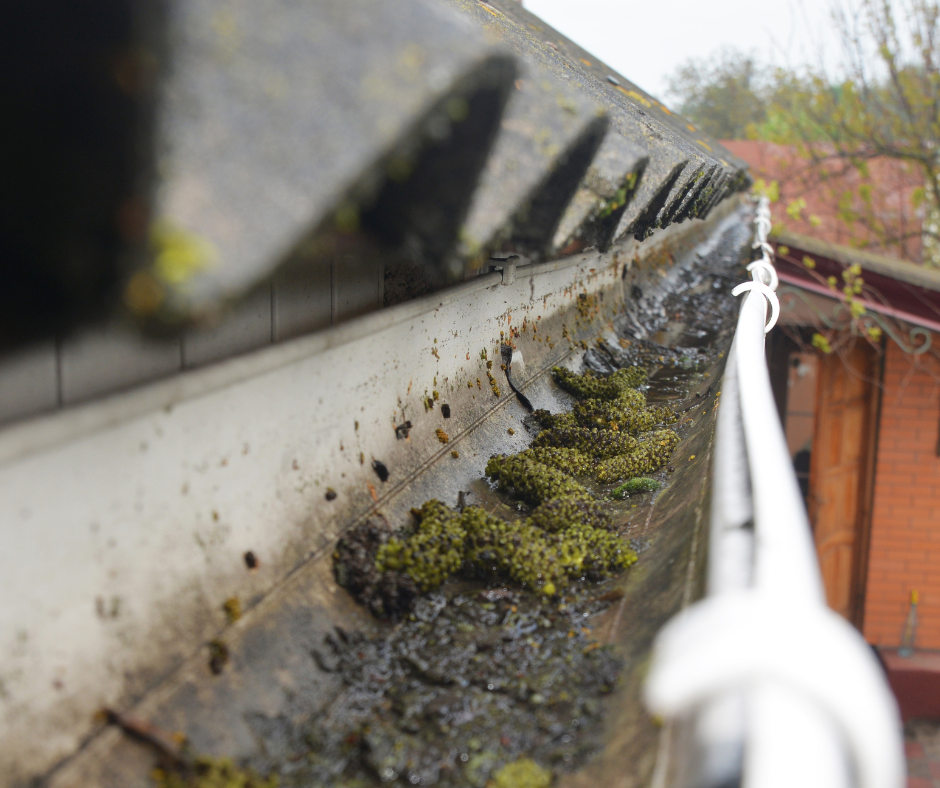
Those little sand-like rocks you see washing out of your gutters after a storm are called roofing granules. They protect the asphalt layer of your shingles from sun damage.
Warning signs include:
Gutters full of dark, coarse grit
Granules piled at the bottom of your downspouts
Dark “drip lines” on siding where granules wash down
Some granule loss is normal, especially on a brand-new roof. But excessive granules—especially on an older roof—usually means the shingles are wearing out.
What to do: If you’re cleaning handfuls of granules out of your gutters, it’s time for a professional evaluation.
4. Sagging or Low Spots in the Roof Line
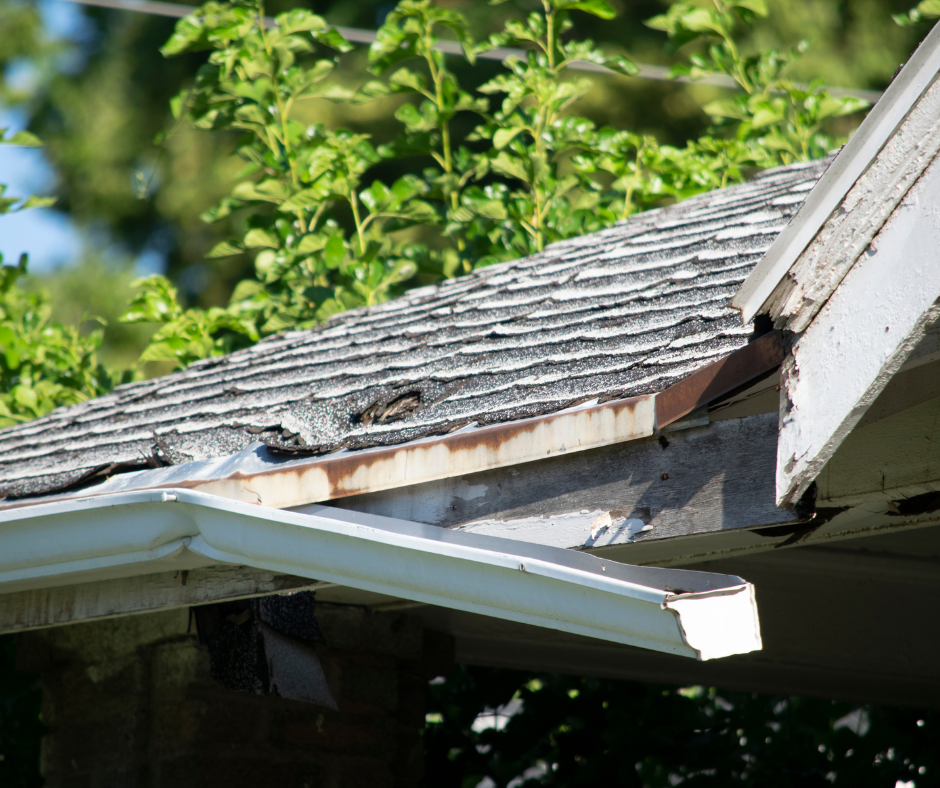
Stand back and look at your roof profile. Is the ridge straight? Are there any areas that look:
Sunken or dipped?
Wavy instead of flat?
Uneven compared to the rest of the roof?
Sagging can be a sign of:
Water-damaged decking
Structural issues in the rafters or trusses
Long-term leaks that have weakened the roof over time
In our humid Houston climate, trapped moisture can cause wood to soften and sag much faster than you’d expect.
This one is serious. If you see sagging, call us right away. It’s not just a cosmetic issue—it can become a safety concern if left untreated.
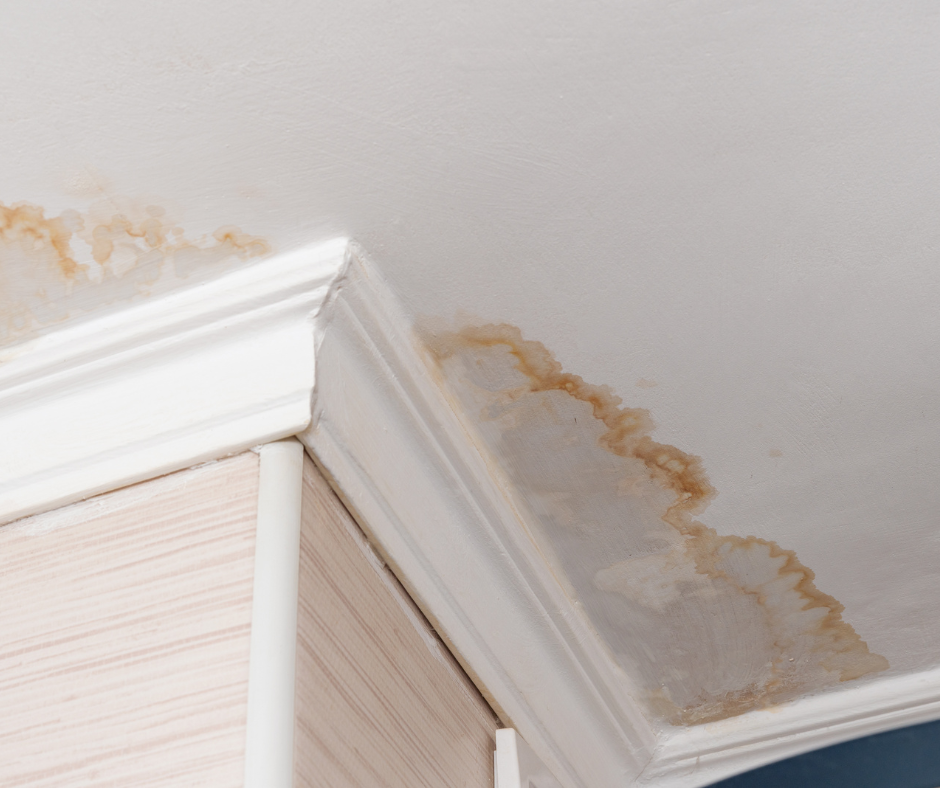
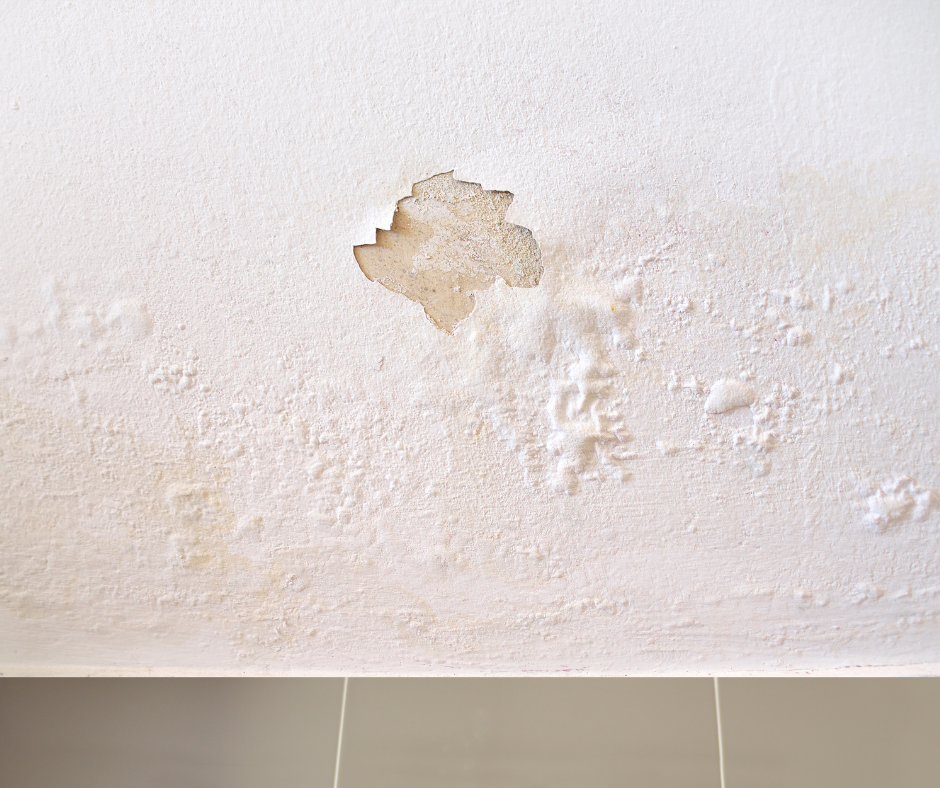
5. Water Stains on Ceilings or Walls
If you’re seeing:
Yellow or brown stains on your ceilings
Peeling paint, bubbling texture, or warped drywall
Spots that appear or grow worse after heavy rain
…then water has already made it inside your home.
The tricky part is that roof leaks don’t always show up directly under the damaged area. Water can travel along rafters and drip somewhere else entirely, which is why a professional inspection is so important.
Don’t ignore ceiling stains. Even a small spot can indicate a much larger problem hiding above.
6. Light, Moisture, or Stains in the Attic
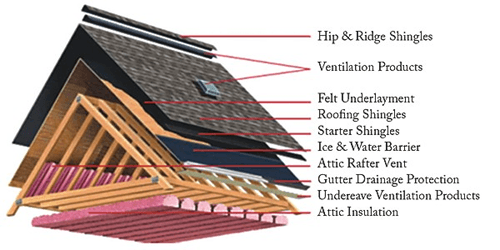
If it’s safe to do so, take a quick look in your attic during the day:
Do you see daylight coming through the roof boards?
Is there damp insulation, dark stains, or a musty smell?
Are there signs of mold, mildew, or rot on the wood?
In the Houston area, we often find hidden leaks in attics long before anything shows up inside the living space. Heat and humidity up there create the perfect conditions for mold and wood damage.
What to do: Any visible light or moisture in the attic is a reason to have the roof checked as soon as possible.
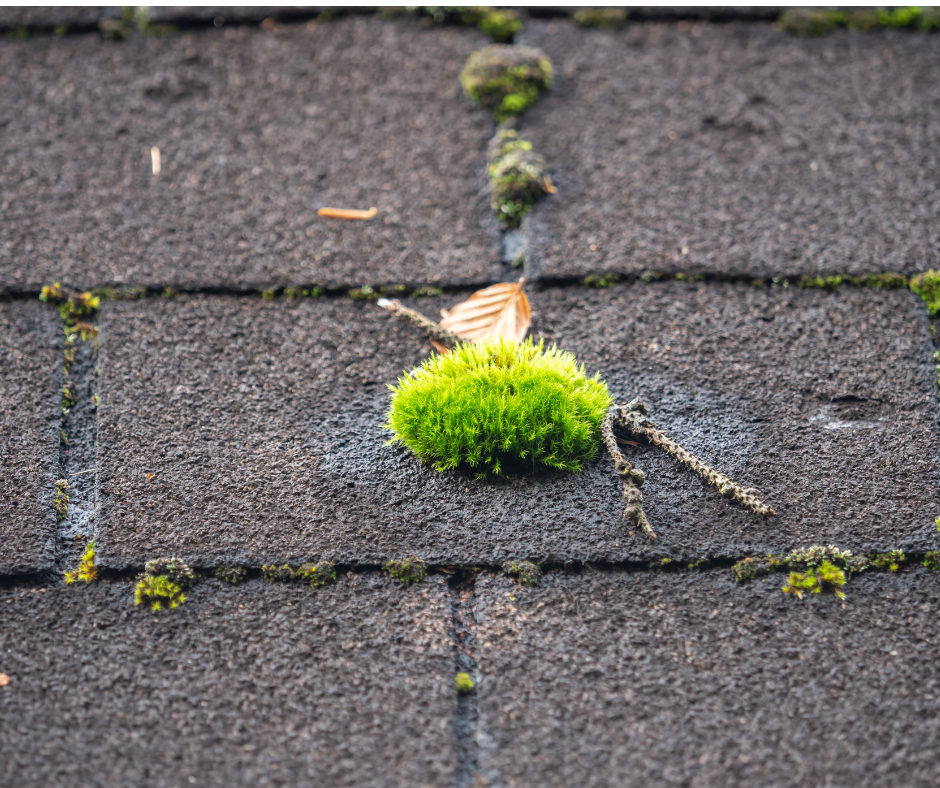
7. Moss, Algae Streaks, or Plant Growth on the Roof
Those black streaks you see on many Houston roofs are usually algae. While algae alone isn’t always an emergency, it often comes along with:
Trapped moisture
Premature shingle aging
Moss growth that can lift shingles and hold water
If you see thick moss, lichen, or small plants trying to grow on your roof, that’s a sign that water is lingering longer than it should.
Tip: Never power-wash or scrape your shingles. You can easily do more harm than good. Let a roofing professional recommend the right solution.
8. Damaged Flashing, Exposed Nails, or Rusted Metal
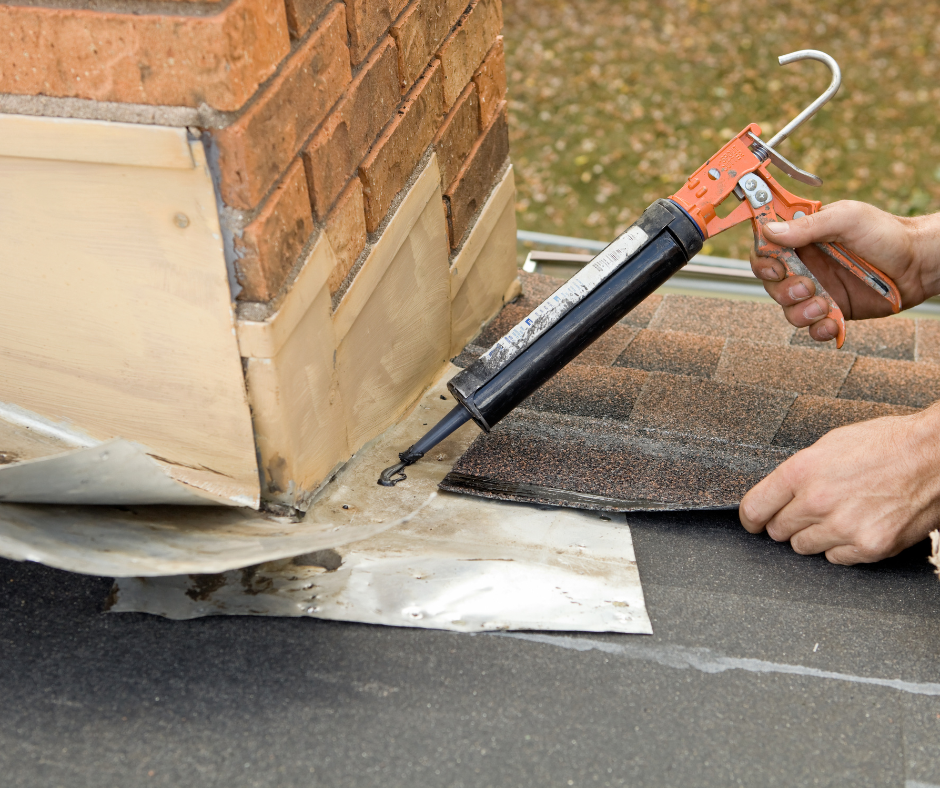
Some of the most common leak points we find in Katy and Houston homes are around:
Chimneys
Skylights
Plumbing vents
Roof-to-wall transitions
Look for:
Cracked, bent, or missing flashing
Exposed or popped nail heads
Rusted metal or sealant that’s dried and separated
A small gap in these areas can let a surprising amount of water in during one of our Houston downpours.
9. Frequent Leaks After Storms
If you find yourself placing buckets or towels after every heavy rain, that’s a clear sign the roof is struggling.
Common patterns we see:
The “same leak” returning again and again
Multiple small leaks in different rooms
Leaks that appear only with strong wind-driven rain
Sometimes this is due to aging materials, sometimes to poor installation, and sometimes to storm damage that was never properly repaired or documented for insurance.
What to do: Recurring leaks almost always mean it’s time to stop patching and look at a more permanent repair or replacement plan.
10. An Aging Roof (Even If It “Looks Fine”)
Even if you don’t see obvious damage, age alone can be a major warning sign:
Most asphalt shingle roofs in Texas last about 15–25 years depending on the product and how many storms they’ve been through.
Hail, wind, and extreme UV in our area can significantly shorten that lifespan.
If your roof is:
Over 10–12 years old and has been through several big storms
Or over 15 years old, even with no major hail event
…it’s a smart time to schedule a professional inspection and start planning. Waiting until you have a major leak can put you on the back foot with both repairs and insurance.
Why Fixing Roof Damage Early Matters in Texas
In the Houston and Katy area, delaying roof repairs can lead to:
Higher repair costs (because minor issues turn into structural damage)
Interior damage to ceilings, walls, and flooring
Mold and mildew growth from trapped moisture
Insurance headaches, especially if a claim adjuster decides damage is “long-term” or “lack of maintenance”
Most of the worst roofs we see started with small warning signs that were ignored until it was too late.
How All Out Roofing Inspects Your Roof
When you schedule a roof inspection with All Out Roofing, here’s what we typically do:
Walk-around exterior check
We look at shingles, flashing, vents, and roof lines from the ground and the roof (when it’s safe).Attic inspection
We check decking, insulation, ventilation, and look for hidden moisture or light penetration.Storm damage evaluation
We look for hail bruising, wind-lifted shingles, missing shingles, and other storm-related issues.Photos and explanation
We show you clear photos and explain what we’re seeing in plain language—no scare tactics, no pressure.Repair or replacement options
If work is needed, we outline your options, including whether an insurance claim might make sense.
When Insurance May Help
If your roof damage is related to a recent storm, you may be able to file an insurance claim. We regularly help homeowners in Katy and the surrounding areas:
Document storm and hail damage
Meet with adjusters on site
Understand the difference between Actual Cash Value (ACV) and Replacement Cost (RCV)
Plan repairs or replacements within your policy limits
We can’t promise your claim will be approved—that’s up to your carrier—but we can make sure your roof is documented correctly and professionally.
For more on how your roof and insurance policy work together in Texas, see this guide from the Texas Department of Insurance.
See These Warning Signs? Call All Out Roofing.
If you’ve noticed any of the warning signs listed above—or you just haven’t had your roof checked in a while—now is the perfect time to schedule an inspection.
Local, Houston-based roofing company
Experienced with Texas storms and insurance claims
Fully licensed and insured
Honest recommendations—we’ll tell you if your roof is still in good shape
👉 Contact All Out Roofing today to schedule your free roof inspection and get peace of mind before the next storm rolls through.
Schedule A FREE InspectionFAQ
How do I know if my roof needs repair?
Most Houston homeowners should look for missing or curling shingles, dark patches or bald spots on shingles, granules in the gutters, sagging roof lines, and water stains on ceilings. If you notice any of these warning signs your roof needs repair, schedule a professional roof inspection in Houston or Katy, TX, before the next big storm.
What are the most common warning signs of roof damage in Houston?
The most common roof damage signs we see after storms are lifted or missing shingles, hail bruises, granule loss, damaged roof flashing, and new leaks after heavy rain. Our heat and humidity also cause roofs to age faster, so an older asphalt shingle roof can show bald spots and soft, sagging areas sooner than in cooler climates.
When should I replace my roof instead of just repairing it?
If your roof is over 15–20 years old, has widespread shingle damage, or has recurring leaks after multiple repairs, it may be more cost-effective to replace it. A professional roofer can tell you whether a targeted roof repair in Houston TX is enough or if you’re seeing clear signs you need a new roof.
When should I call a roofer after a storm?
Call a roofer as soon as you notice missing shingles, tree limbs on the roof, granules all over your driveway, or new water stains on the ceiling. Quick documentation of storm damage roof repair needs is important if you may file an insurance claim for hail or wind damage in the Houston or Katy area.
Can a small ceiling stain really mean roof damage?
Yes. Even a small yellow or brown ceiling stain can indicate a roof leak, moisture in the attic, or failing flashing. The leak might only show up during heavy, wind-driven rain, but ignoring water stains on ceilings can lead to mold growth and structural damage, so it’s best to have All Out Roofing check it out.
Most Houston homeowners should look for missing or curling shingles, dark patches or bald spots on shingles, granules in the gutters, sagging roof lines, and water stains on ceilings. If you notice any of these warning signs your roof needs repair, schedule a professional roof inspection in Houston or Katy, TX, before the next big storm.
The most common roof damage signs we see after storms are lifted or missing shingles, hail bruises, granule loss, damaged roof flashing, and new leaks after heavy rain. Our heat and humidity also cause roofs to age faster, so an older asphalt shingle roof can show bald spots and soft, sagging areas sooner than in cooler climates.
If your roof is over 15–20 years old, has widespread shingle damage, or has recurring leaks after multiple repairs, it may be more cost-effective to replace it. A professional roofer can tell you whether a targeted roof repair in Houston TX is enough or if you’re seeing clear signs you need a new roof.
Call a roofer as soon as you notice missing shingles, tree limbs on the roof, granules all over your driveway, or new water stains on the ceiling. Quick documentation of storm damage roof repair needs is important if you may file an insurance claim for hail or wind damage in the Houston or Katy area.
Yes. Even a small yellow or brown ceiling stain can indicate a roof leak, moisture in the attic, or failing flashing. The leak might only show up during heavy, wind-driven rain, but ignoring water stains on ceilings can lead to mold growth and structural damage, so it’s best to have All Out Roofing check it out.