
Roof Maintenance Tips for Katy Homeowners
Most roof maintenance tips you find online were written for a gentler climate than ours. Roofs in this part of Texas do not usually fail all at once — they fail slowly, in details, and then one storm finishes the job. Almost everything that shortens a roof’s life here is preventable with about two hours of attention a year, and none of it requires you to get on the roof.
Here is what actually matters in the Katy and Houston-area climate, in the order it matters.
Roof Maintenance Tips That Start From the Ground
Spring and fall, walk the perimeter of your house with binoculars or your phone camera zoomed in. You are looking for five things:
- Missing, lifted, or curling shingles — especially along ridges and the edges of slopes, where wind gets underneath
- Dark patches or shiny spots — granule loss exposing the asphalt underneath
- Rusted, lifted, or separated flashing around chimneys, walls, and skylights
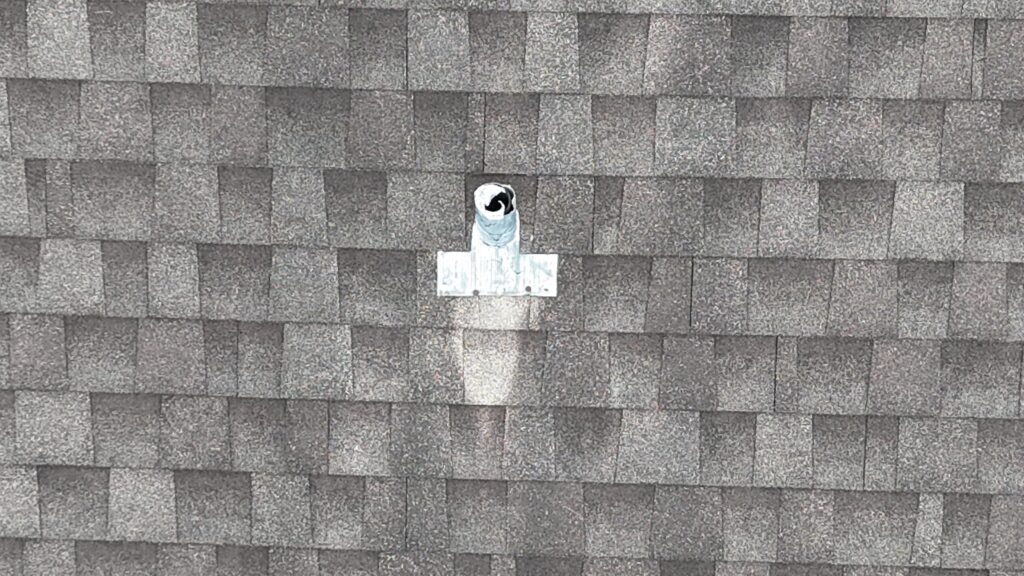
- Cracked or dried-out pipe boots — the rubber collars around plumbing vents. These are one of the most common leak sources on Houston-area roofs and they fail on a predictable schedule, roughly a decade in
- Sagging along the ridge or between rafters — the one item on this list that means call someone today
Photograph what you see and date it. A year of photos turns “I think it’s getting worse” into evidence, which is useful both for maintenance and for a claim.
Keep the Gutters Actually Clear
Clogged gutters back water up under the first course of shingles and rot the fascia and decking at the eave — the most expensive kind of slow damage, because you do not see it until the tear-off. Twice a year in most Katy neighborhoods; four times if you have pines or live oaks over the house.
While you are at it, check that downspouts discharge away from the foundation. In this soil, that matters for more than the roof.
Cut Back the Trees
Branches should not touch the roof, ever. They abrade granules every time the wind blows, they drop debris that holds moisture against the shingles, and in a real storm they become the thing that punctures your roof. Six to ten feet of clearance is the standard to aim for.
Pay Attention to the Attic
The attic tells you more about your roof than the roof does, and it is the part homeowners never check. Once a year, on a hot afternoon:
- Is it brutally hotter than it should be? Poor ventilation cooks shingles from underneath and shortens their life substantially in this climate. It also voids most manufacturer warranties — ventilation requirements are written into nearly every one.
- Any daylight through the decking? That is a hole.
- Any staining on the underside of the deck or on rafters? Water has been there, whether or not it has reached your ceiling yet.
- Is the insulation blocking the soffit vents? Very common, and it strangles the airflow the roof depends on.
Roof Maintenance Tips for After a Storm
Hail and straight-line winds are the main threats here, and both do damage that is invisible from the ground. After a storm that dropped hail or produced strong wind:
- Walk the yard and look for granules washed into the gutters or at downspout outlets, dents on gutters and downspouts, damage to soft metal like vents and A/C fins, and shingle debris
- Photograph everything, including the date on your phone
- Check your ceilings and attic for new staining over the following week
- Get a documented inspection if you found any of the above — and do not wait for a leak, because leaks arrive on their own schedule and insurance deadlines are set by your policy
The Texas Department of Insurance storm guide is worth reading before you file, and the National Weather Service Houston/Galveston office is the fastest way to confirm what actually passed over your address. More detail on what storms do to a roofing system: storm and hail damage to your roof.
What Not to Do Yourself
- Do not walk your roof. Falls are the real risk, and foot traffic on hot Texas shingles causes damage — and can void your warranty in the area you damaged.
- Do not pressure-wash shingles. It strips granules and drives water under the courses. If you have algae streaking, there are low-pressure treatments made for it.
- Do not seal over a leak with roofing tar as a permanent fix. As a genuine emergency measure before a storm, fine. As a repair, it makes the eventual real repair harder and more expensive.
- Do not let a satellite, solar, or holiday-light installer put fasteners through your roof without knowing how the penetration will be flashed. Ask first.
Planning a bigger project yourself? See our rundown of common DIY roofing mistakes before you start.
When to Call a Professional
Call if you see any sagging, any daylight in the attic, any active leak, missing shingles after a storm, or granule loss across a whole slope. Call also if your roof is over ten years old and has never been inspected — not to be sold something, but so you know where you stand and can plan for the expense rather than be surprised by it. If it turns out you are past maintenance, our guide to roof repair vs. roof replacement walks through how that call gets made.
Free Roof Inspection in Katy and the Houston Area
These roof maintenance tips will carry you a long way, but they do not replace a set of eyes on the roof itself. We document what we find with photos, tell you what is urgent and what can wait, and put the recommendation in writing. If your roof is fine, we will tell you that too.
Call All Out Roofing at (281) 769-4282 or request a free inspection online.
Related reading: Roof repair vs. replacement · Texas roofing FAQs